
FDA warns public not to treat food supplements as medicines
The FDA Mindanao East Cluster said products claiming to cure diseases must meet the stricter rules for drugs, and urged consumers to consult health workers instead of relying on neighbours' advice.
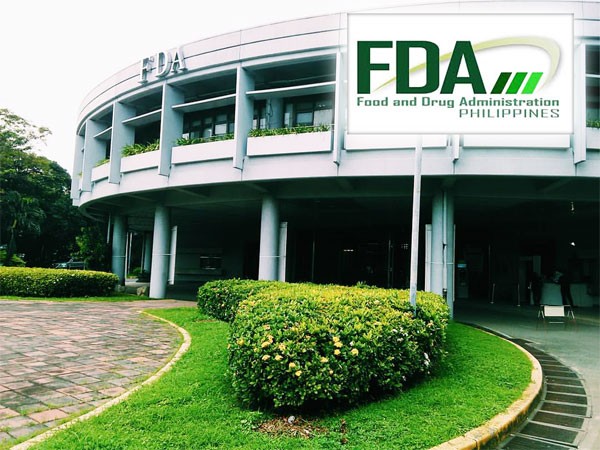
The Food and Drug Administration (FDA) Mindanao East Cluster has cautioned the public against using food supplements as substitutes for medicines, saying any product promoted as a cure for a specific disease must pass far stricter scientific and regulatory standards before it can be approved as a drug.
Eba Marie Antonette W. Inis, officer-in-charge director of the FDA Mindanao East Cluster, raised the concern at the Isyu Karon Monthly Media Forum held at The Royal Mandaya Hotel in Davao City, according to Mindanao Times. She said food supplements are not allowed to claim they can cure illnesses such as glaucoma or cancer, since such claims fall under the regulation of medicines.
"When you say a product can cure an illness, it should be classified as a drug or medicine," Inis said. She added that a product's classification depends on its ingredients, its established uses and the scientific evidence behind its claims, and that being advertised as healthy does not make a supplement a medicine.
Inis explained that bringing a drug to approval can take at least 10 years and requires several phases of clinical trials to establish both effectiveness and safety. She noted that some promising drug candidates fail testing because of toxicity or other safety problems.
She cited lagundi, sambong and oregano as herbal products with recognised medicinal uses and identified active compounds. Lagundi is used for cough and asthma symptoms, sambong in connection with kidney stone management, and oregano traditionally for cough. These, she said, differ from ordinary supplements because they have undergone scientific evaluation and fall under the appropriate drug classification.
The FDA official also expressed concern that some consumers trust recommendations from neighbours and friends over their doctors, which she said contributes to the overuse and misuse of supplements. She acknowledged that financial difficulties may keep some people from seeking medical consultations.
Inis urged consumers to check the products they take, watch for side effects and report adverse reactions to the FDA. She also called on community pharmacies not to act as substitutes for doctors in diagnosing illnesses and recommending treatment.
Citing improved access to medicines and health professionals in rural health centres, she encouraged the public to use these services. "Instead of taking products recommended by friends, make an effort to visit your health center," she said.
Why it matters for Davao
Davao residents who buy supplements on the advice of friends or online claims are being reminded that such products are not approved treatments, and that local health centres offer access to medicines and professional consultation.
This article was written by the DavaoNews desk with AI assistance, using reporting by Mindanao Times. Facts come from the original report, which we credit and link below. Our editorial policy
Discussion (0)
Sign in with Google to join the discussion.
Sign in to commentNo comments yet. Start the conversation.