
DOST-FNRI develops iron-fortified coconut water vinegar to fight anemia
The government nutrition institute says FeNRI Suka adds iron to everyday dishes like adobo and paksiw while putting discarded coconut water to use.
Researchers at the Department of Science and Technology-Food and Nutrition Research Institute (DOST-FNRI) have developed an iron-fortified vinegar made from coconut water, aimed at reducing iron-deficiency anemia among Filipinos, according to Edge Davao.
The product, called FeNRI Suka, is a spiced coconut water vinegar launched with the non-government organisation New Pathways Enterprise. Because vinegar is already a staple in dishes such as adobo, kinilaw and paksiw, the researchers hope it can raise iron intake without asking families to change how they eat.
Maricar D. Albao, a DOST-FNRI science research specialist who presented the project, said the vinegar provides about 30 percent of the recommended iron intake for adults aged 19 to 29. She said its iron content stays stable for a shelf life of at least 12 months and holds up when used in cooking. The report also cites figures of about 35 percent of an adult's daily iron needs per tablespoon-sized serving, and roughly 37 percent and 38 percent for 100-gram servings of chicken adobo and paksiw na bangus, respectively.
According to the researchers, the vinegar was tested for taste, effectiveness and safety and was found free of aflatoxins and heavy metal contaminants.
Anemia remains a public health concern in the country. Citing the 2023 National Nutrition Survey, the report said iron-deficiency anemia affects 21.8 percent of pregnant women and 11.4 percent of children under five. DOST-FNRI data also show about 17.2 percent of adults aged 60 and above are anemic. Contributing factors include heavy reliance on unfortified rice, low intake of iron-rich foods and vitamin C, and parasitic infections in some communities.
The vinegar also uses coconut water that is often thrown away during copra processing. DOST-FNRI estimates about 9.3 billion litres are wasted each year in the Philippines. Albao said feasibility studies show a 300-millilitre bottle could be sold at an affordable price and that the production equipment is within reach of small-scale enterprises.
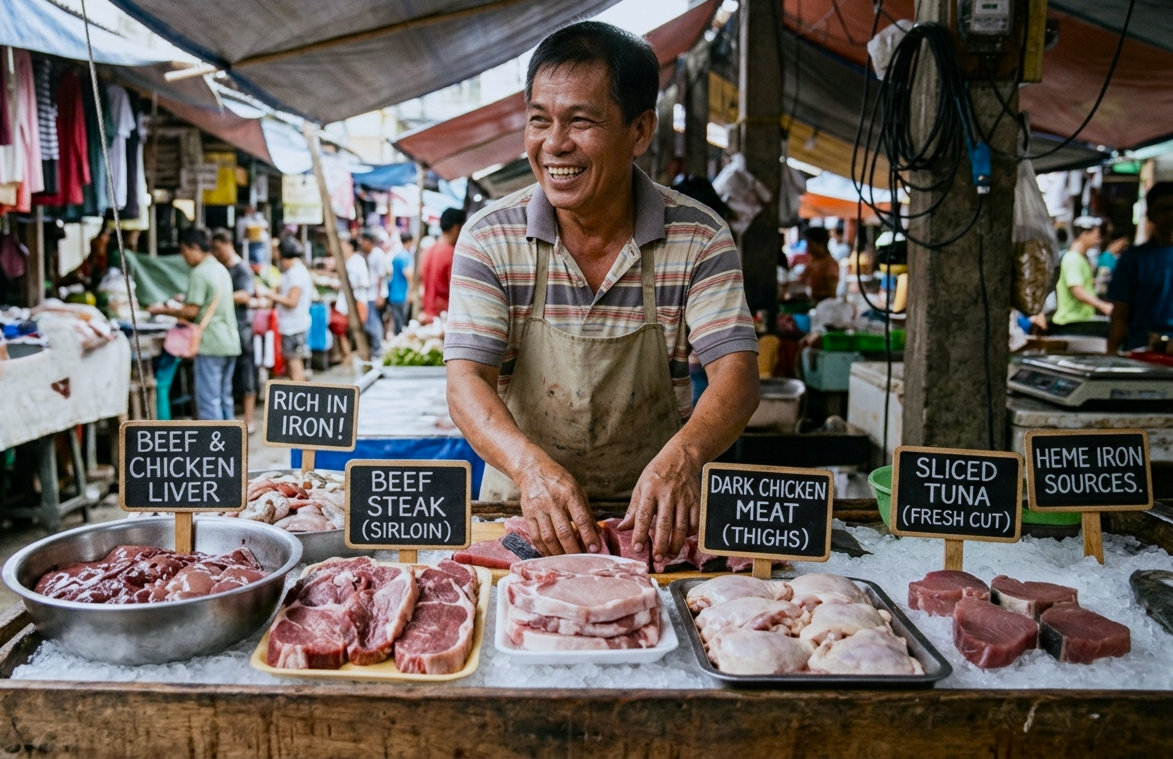
The report notes that a balanced diet with meat, fish, legumes, leafy vegetables and vitamin C-rich fruits remains the first defence against iron deficiency.
This article was written by the DavaoNews desk with AI assistance, using reporting by Edge Davao. Facts come from the original report, which we credit and link below. Our editorial policy
Discussion (0)
Sign in with Google to join the discussion.
Sign in to commentNo comments yet. Start the conversation.