
DSWD-Davao withdraws 85 children from child labor, warns rising prices may push more to work
A DSWD child labor official said families squeezed by inflation and rice prices are sending children, some as young as 10, to work in farms, mines, markets and on the roads.
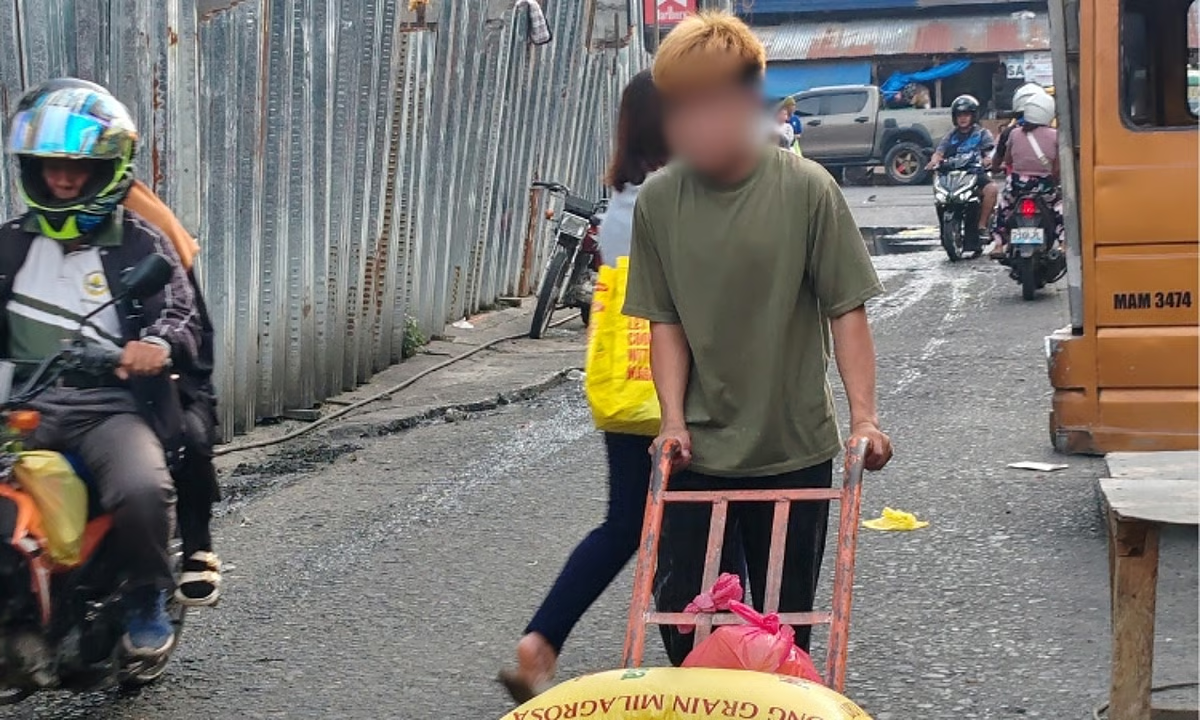
The Department of Social Welfare and Development in Davao Region (DSWD-Davao) has withdrawn 85 children from child labor so far in 2026, but an agency official warned that inflation and strained household budgets could drive more children into work, SunStar reported.
Hannah Princess Taguinod, child labor focal person of the DSWD's Shield against Child Labor project, presented the figures at the Isyu Karon media forum at The Royal Mandaya Hotel on Friday, Nov. 6. She said the region's 3,819 profiled child laborers came from 2025 profiling by the Department of Labor and Employment (DOLE) and Public Employment Service Offices, and that 2026 profiling is still ongoing.
Davao de Oro had the most profiled child laborers at 1,108, followed by Davao City with 880, Davao Oriental with 617, Davao Occidental with 553, Davao del Norte with 433 and Davao del Sur with 228. Taguinod said she made Davao de Oro her priority this year.
In the provinces, children commonly work in agriculture, fishing, aquaculture and mining. In a focus group discussion in August, some said they worked in mining and construction or hauled heavy logs on farms. One child told Taguinod, "If I don't work, we might all die of hunger."
Taguinod said some children urge younger siblings to work as families cope with rising rice prices, a mindset she said could push the numbers up. Some children are their family's main earners because parents are sick or absent; the youngest breadwinner the program has assisted is 10 years old.
In Davao City, she said, child laborers she interviewed drove tricycles or e-bikes on highways used by large trucks, helped their fathers at construction sites, sold fruits and peanuts on the streets, or worked as porters before dawn at the Bankerohan and Agdao public markets, using their earnings as school allowance.
The DSWD withdraws children by giving their parents livelihood support through its Sustainable Livelihood Program, such as capital for a food business, livestock, a sari-sari store or rice retailing, and refers families it cannot accommodate to DOLE. Profiled children also receive a one-time P5,000 cash educational assistance.
Under the Shield guidelines, a child counts as withdrawn only when no longer engaged in the worst forms of child labor or hazardous work. Taguinod said some parents do not realize that bringing children to farms or construction sites can amount to child labor, and that the DSWD explains Republic Act 9231 to families and follows up after three to six months. She also said DSWD and DOLE need to align their definitions, as some children initially tagged as child laborers were later found doing only light work.
Why it matters for Davao
Davao City has the second-highest number of profiled child laborers in the region, with children working in local markets, construction sites and busy highways. Families in need may seek help through barangay help desks and DSWD livelihood and educational assistance under the Shield project.
This article was written by the DavaoNews desk with AI assistance, using reporting by SunStar. Facts come from the original report, which we credit and link below. Our editorial policy
Discussion (0)
Sign in with Google to join the discussion.
Sign in to commentNo comments yet. Start the conversation.