
Davao City forms El Niño working group as very strong dry spell looms into 2027
An executive order sets up five task areas covering food, water, power, health and public safety, with funding from the city's disaster and general funds.
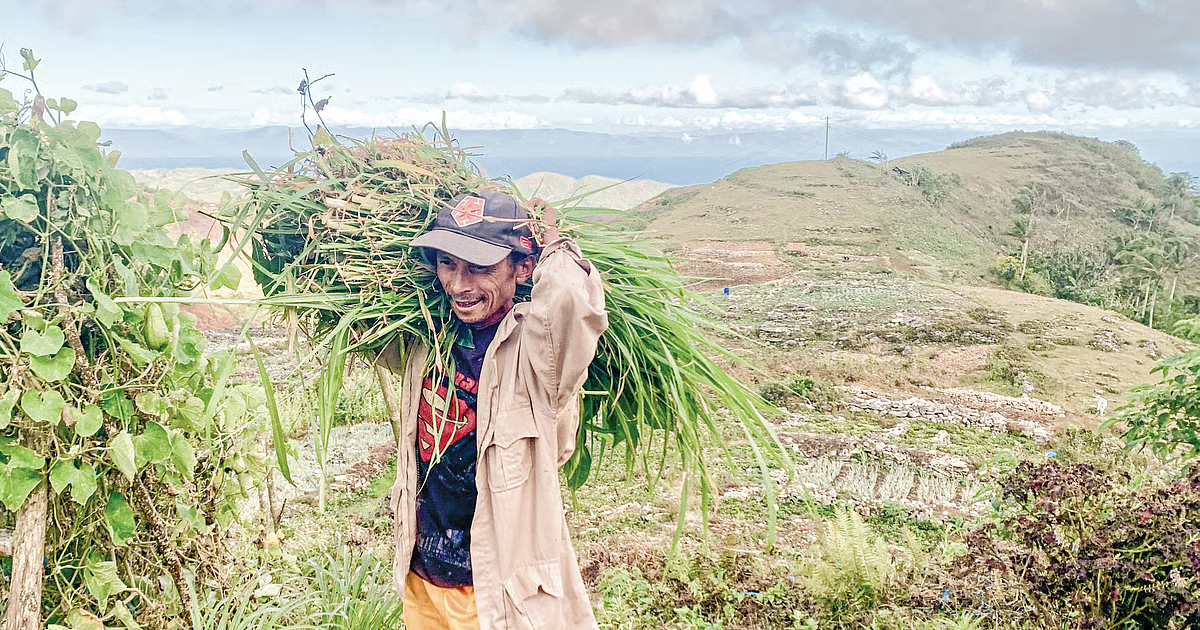
Davao City has created an El Niño working group to safeguard food, water and power supplies as well as residents' health and safety, with weather bureau Pagasa saying a very strong El Niño is expected to last until the first half of 2027, according to SunStar.
The Davao City El Niño Working Group was established through Executive Order 39, series of 2026, issued on Tuesday, Nov. 10, and effective immediately, based on a copy posted on the city government's website. The group is tasked with identifying the areas and sectors most at risk, drawing up plans to prevent or reduce the impact, and securing the funds, personnel and equipment needed. It is also expected to intensify information drives so residents can prepare.
The work is divided into five areas. The City Agriculturist's Office leads food security, the Davao City Water District handles water, and Davao Light and Power Company covers power. The City Health Office leads on health, while the City Administrator's Office and the Public Safety and Security Office oversee public safety. Regional offices of national agencies, including Pagasa and the departments of agriculture, energy, health and social welfare, will provide technical support. Funding will come from the city's disaster risk reduction and management fund and its general fund.
The City Agriculturist's Office has prepared water pumps, power sprayers and two water tankers that farmers' associations and cooperatives can borrow, the City Information Office (CIO) reported in October. Engr. Gilbert Iglesias of the office's Agricultural and Biosystems Engineering Division said the tankers are at the Malagos nursery and will be hauled by the office's two tractors to areas lacking water. The CIO also said the city has seven solar-powered irrigation systems in the Paquibato, Toril and Calinan districts and about 700 rainwater catchments in upland areas. Farmer groups may request equipment by writing to their district agriculture office.
In October, Pagasa-Davao weather specialist Engr. Alan Ray Ribo told the City Council that rainfall would drop significantly from November and that the city could enter a dry spell by February 2027, affecting water sources such as the Panigan-Tamugan River watershed, SunStar Davao reported.
The order notes that the working group was already part of the city's El Niño Action Plan 2023, and recalls the 1997-1998 El Niño, when the national economy shrank by 0.5 percent and agriculture by 7 percent. Councilor Ralph Abella, who chairs the council's agriculture committee, had earlier proposed a Task Force El Niño. Vice Mayor Rodrigo "Rigo" Duterte II said city offices were directed "to strengthen preparations for the El Niño and maintain essential services" following an Oct. 9 city disaster council meeting.
Why it matters for Davao
Residents could face reduced rainfall and pressure on water sources such as the Panigan-Tamugan River watershed in the coming months, while farmers can tap city equipment to cope with water shortages.
This article was written by the DavaoNews desk with AI assistance, using reporting by SunStar. Facts come from the original report, which we credit and link below. Our editorial policy
Discussion (0)
Sign in with Google to join the discussion.
Sign in to commentNo comments yet. Start the conversation.