
PAGASA storm chasers stretched thin, with field teams mostly limited to Luzon
An Edge Davao feature says budget and staffing gaps keep PAGASA's ground observation teams from fully covering the Visayas and Mindanao, even as the country faces about 20 tropical cyclones a year.
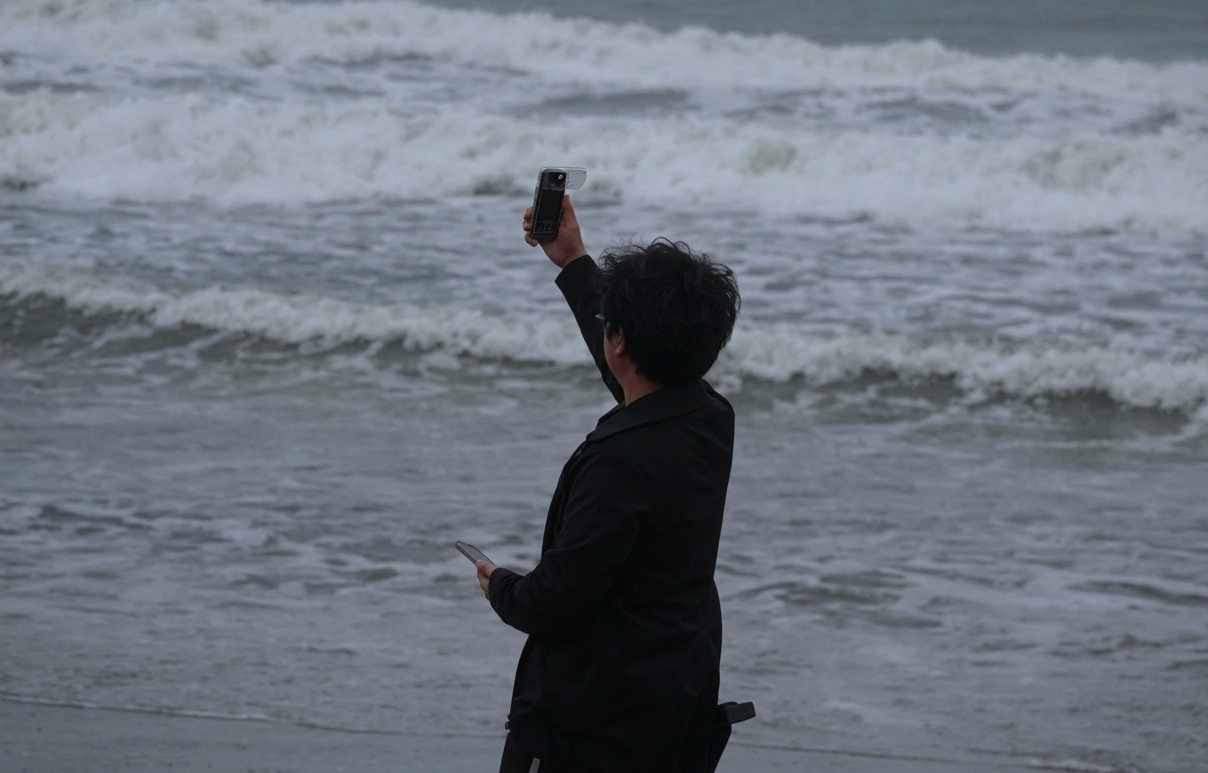
The weather bureau's field teams that gather on-the-ground storm data operate mostly in Luzon, and more funding is needed to extend their coverage to the Visayas and Mindanao, according to a feature published by Edge Davao.
PAGASA officials said an ideal deployment would involve about 10 to 15 people split into three teams. Because of budget and manpower limits, however, deployments are often restricted to one or two teams of five to seven members each, the report said.
These storm chasers are trained meteorologists and technical staff, not thrill-seekers. Weather Specialist Marco Polo Ibañez explained that the country's complex terrain and coastlines mean storm surges, flooding, rainfall and wind damage are not always fully captured by satellites, radars or automated stations. Field teams supply this "ground truth" data and send hourly updates that help forecasters check and refine their advisories and warnings.
Weather specialist Lean Michael A. Malabanan said the deployments also let PAGASA personnel speak with residents, local officials and responders to learn how warnings are understood and acted on, which helps the agency improve how it communicates.
Citing PAGASA, the feature notes that about 36 tropical cyclones form in or enter the Philippine Area of Responsibility each year, with an average of 20 directly affecting the country. No month is entirely free of storms. While they are most frequent from June to November, storm tracks often shift toward the central and southern parts of the country from October to December.
At the 2026 Regional Science, Technology, and Innovation Week in Tacloban, Science Secretary Renato U. Solidum Jr. asked whether the country would be ready "when the next crisis comes." DOST Undersecretary Sancho A. Mabborang said current challenges call for innovation, partnerships and decisions grounded in science.
The feature argues that preparedness should be an everyday habit. It cites listening to advisories, strengthening homes, planning evacuation routes and supporting forecasters and field teams as examples.
Why it matters for Davao
The report says Mindanao has limited coverage from PAGASA's field observation teams, even though late-year storms often track toward the southern Philippines. Ground data from these teams is used to check and improve local warnings.
This article was written by the DavaoNews desk with AI assistance, using reporting by Edge Davao. Facts come from the original report, which we credit and link below. Our editorial policy
Discussion (0)
Sign in with Google to join the discussion.
Sign in to commentNo comments yet. Start the conversation.