
DOST-PTRI taps 1,765 colleges to push for a national textile science curriculum
The textile research institute launched a university consortium and a knowledge-sharing platform after an audit found no Philippine school offers a dedicated textile science program.
The Department of Science and Technology–Philippine Textile Research Institute (DOST-PTRI) is enlisting 1,765 higher education institutions across the country to help revive the local textile industry, according to Mindanao Times.
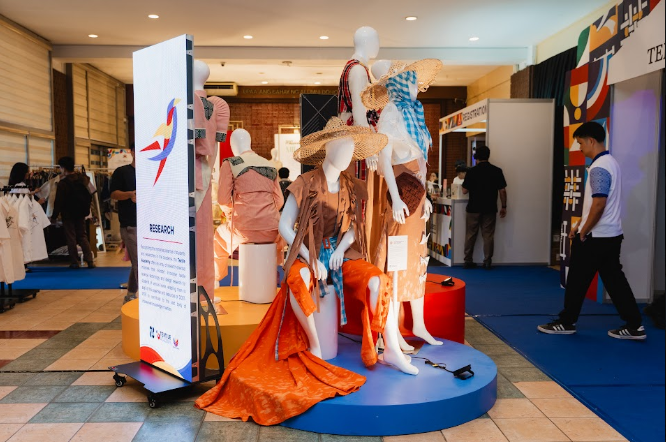
The plan was presented during the first joint Global Textile Congress and Philippine Textile Congress 2026, a two-day event held at Ang Bahay ng Alumni in the University of the Philippines Diliman. The institute is aiming for a bigger slice of a global textile market valued at US$1.2 trillion, with trade projected to grow 4.2 percent a year through 2033. Organisers see this as a chance to reverse falling apparel exports and move the country away from importing raw materials toward a fully domestic supply chain.
A nationwide audit by DOST-PTRI found that while 1,765 colleges and universities teach skills linked to the textile supply chain, none offers a curriculum devoted solely to textile science. Of these schools, 71 have programs on raw materials, 646 cover product development ranging from apparel to medical and electronic textiles, and 1,048 support supply chain areas such as fiber cultivation, machinery and logistics. The relevant skills are spread across courses in chemistry, engineering, fine arts and industrial technology, with no standard national framework.
To fill the gap, the institute formed the Philippine Textile Consortium, which nearly 60 schools are expected to join. It will support a standard curriculum, joint research, laboratory links, technical help, degree programs, short courses and training for faculty and students. DOST-PTRI also launched TELAkademi, a platform for sharing developments in materials science, textile engineering and production technology.
"DOST-PTRI hopes to help develop a standard textile curriculum that will introduce students to the science, technology, and possibilities behind Philippine textiles," said Evangeline Flor P. Manalang, the institute's officer-in-charge.
The institute's academic roadmap rolls out courses in textile materials in 2025, textile chemistry and dyes in 2026, nonwovens and fabric design in 2027, and textile analyses in 2028. It also offers thesis co-advising, joint research assistance of up to PHP 200,000 for graduate students, laboratory services and a mobile textile laboratory.
The initiative further seeks to expand the use of local agricultural materials in sustainable textile products and to recognise the work of farmers and weavers. Interested parties may email ptri@ptri.dost.gov.ph for details.
Why it matters for Davao
Colleges and universities in Davao City may be among the schools eligible to join the consortium, opening possible research support and training for local students and faculty.
This article was written by the DavaoNews desk with AI assistance, using reporting by Mindanao Times. Facts come from the original report, which we credit and link below. Our editorial policy
Discussion (0)
Sign in with Google to join the discussion.
Sign in to commentNo comments yet. Start the conversation.