
Pope Leo XIV names Mati Bishop Abel Apigo as new archbishop of Davao
Apigo, a Davao-ordained priest and former seminary rector, succeeds Archbishop Romulo Valles, who reached the mandatory retirement age of 75.
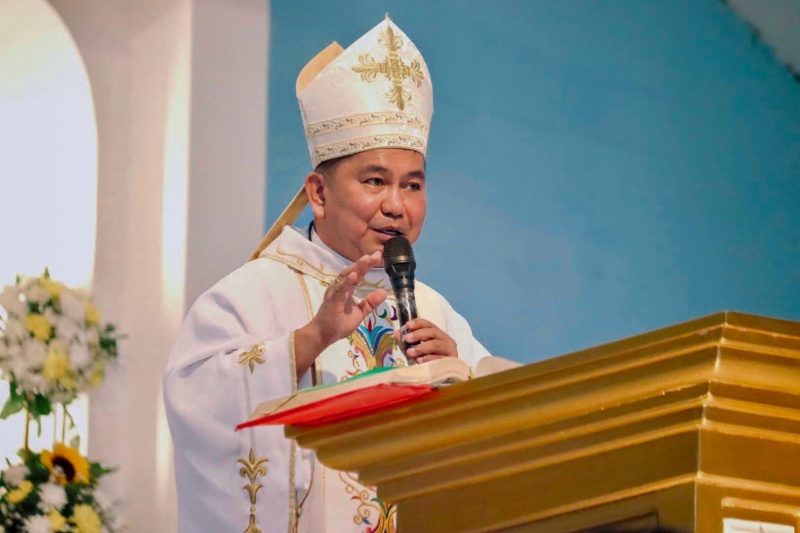
Pope Leo XIV has appointed Bishop Abel Apigo of Mati as the new archbishop of Davao, succeeding Archbishop Romulo Valles, according to Interaksyon.
The pope accepted Valles' resignation on November 9 and named Apigo as his successor on the same day. Valles turned 75 in July, the mandatory retirement age for bishops, and has led the Archdiocese of Davao for about 14 years.
Apigo, 58, is no stranger to the archdiocese. He was ordained a priest for Davao on April 18, 1994, after studying philosophy and theology at St. Francis Xavier Regional Major Seminary of Mindanao (SFX-REMASE). He served as parish vicar at San Pedro Cathedral until 1996, then went to Rome, where he earned a licentiate in Church history from the Pontifical Gregorian University in 2000.
After returning to Davao City that year, he held several posts at SFX-REMASE, including professor, dean and vice rector, before becoming the seminary's rector in 2006. In 2014, he was named episcopal vicar for the clergy of the archdiocese.
Pope Francis appointed Apigo bishop of Mati on February 10, 2018. He was ordained a bishop on April 24 that year and installed as the diocese's second bishop the next day.
Valles, who marked 50 years as a priest in April, previously served as bishop of Kidapawan from 1997 to 2006 and then as archbishop of Zamboanga before moving to Davao. He was also president of the Catholic Bishops' Conference of the Philippines from December 2017 to November 2021.
No date has been announced for Apigo's installation as the fifth archbishop of Davao, Interaksyon reported.
Why it matters for Davao
Catholics in Davao City will be led by an archbishop who was ordained for and long served in the local archdiocese, including at San Pedro Cathedral and the regional seminary.
This article was written by the DavaoNews desk with AI assistance, using reporting by Interaksyon. Facts come from the original report, which we credit and link below. Our editorial policy
Discussion (0)
Sign in with Google to join the discussion.
Sign in to commentNo comments yet. Start the conversation.