
PDEA-Davao says no drug syndicates, shabu labs or narco-politicians monitored in region
The regional anti-drug chief said intelligence work has turned up no large drug groups, clandestine laboratories or politicians tied to the drug trade in Davao City and the wider region.
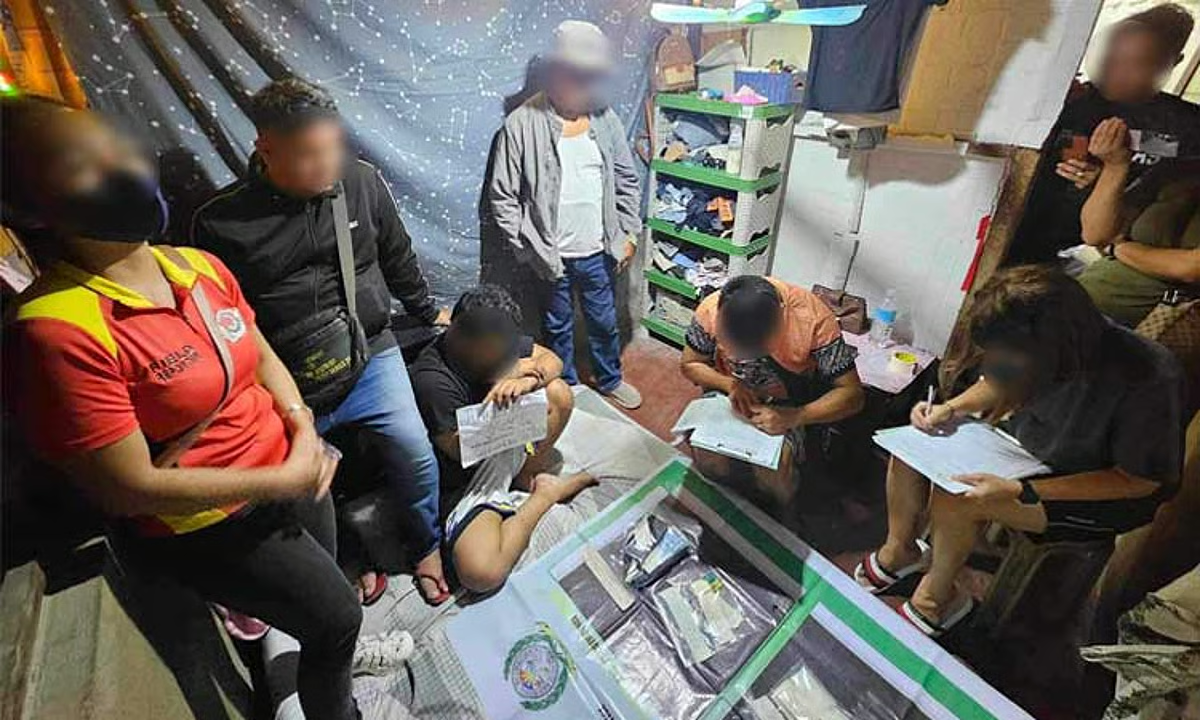
The Philippine Drug Enforcement Agency in the Davao Region (PDEA-Davao) said it is not currently monitoring any major drug syndicates, clandestine drug laboratories or so-called narco-politicians in Davao City or elsewhere in the region, according to SunStar.
PDEA-Davao Regional Director Benjamin Gaspi, a lawyer, gave the assessment at the Davao Peace and Security Press Corps media briefing at The Royal Mandaya Hotel on Wednesday, November 11. He said the agency's own intelligence gathering and its coordination with the wider intelligence community had produced no reports of laboratories manufacturing illegal drugs in the region.
Gaspi described claims linking Davao to drug manufacturing operations as unverified allegations. He added that PDEA-Davao has not identified any large organised drug group in its current monitoring.
On narco-politics, which he explained as politicians allegedly taking part in the spread of dangerous drugs and possibly using the proceeds to fund their political ambitions, such as campaigns or vote-buying, Gaspi said the agency has yet to receive any such reports. “Sa ngayon wala pang naire-report sa amin 'yung tinatawag na narcopoliticians,” he said.
His statement comes as national authorities continue to report attempts to bring drugs into the country through international mail and cargo. In July 2026, the Bureau of Customs, working with PDEA and the Philippine Postal Corporation, intercepted 39 inbound parcels with suspected drugs worth more than ₱41 million. Five parcels from India held about 4.3 kilograms of suspected shabu, while the rest, from the United States, several European countries and Canada, contained suspected marijuana and ecstasy. The parcels were bound for places including Metro Manila, Cebu, Cagayan de Oro and Surigao. In June 2026, Customs also reported seizing 14 parcels worth about ₱56 million.
In 2025, PDEA-Davao said some drug supplies entering the region could come from outside, particularly Northern Mindanao, with possible sources traced to Malaysia and Indonesia. The United Nations Office on Drugs and Crime has also flagged Mindanao as a key area in regional methamphetamine trafficking, linked to flows from Sabah through the Sulu archipelago.
Anti-drug operations in the region are continuing. In February 2026, PDEA-Davao reported that law enforcement seized more than ₱197 million worth of illegal drugs across the Davao Region in 2025, and identified 131 drug-affected barangays out of the region's 1,162.
Why it matters for Davao
The regional anti-drug agency's assessment suggests no large-scale drug production or organised syndicates are currently on its radar in Davao, though 131 barangays in the region remain classified as drug-affected and outside supply routes are still a concern.
This article was written by the DavaoNews desk with AI assistance, using reporting by SunStar. Facts come from the original report, which we credit and link below. Our editorial policy
Discussion (0)
Sign in with Google to join the discussion.
Sign in to commentNo comments yet. Start the conversation.