
Mindanao business leaders study waste-to-energy plant in China
A delegation led by MinDA and PCCI Mindanao visited a 90-megawatt facility in Chongqing that turns municipal garbage into electricity.
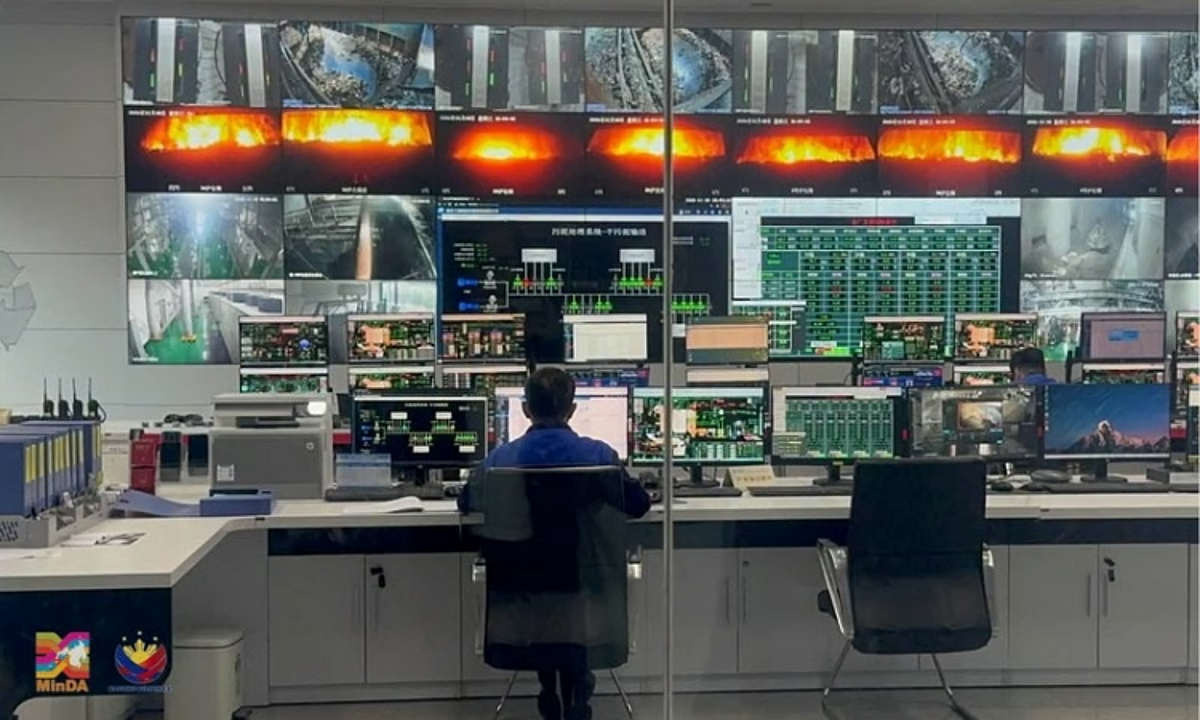
Business leaders from Mindanao are exploring waste-to-energy (WTE) technology as a possible answer to the island's growing garbage problem and rising demand for electricity, after a delegation toured a large WTE facility in China, according to SunStar.
The mission, held early this week, was led by the Mindanao Development Authority (MinDA) and the Philippine Chamber of Commerce and Industry (PCCI) Mindanao. The group examined the 90-megawatt Chongqing Sanfeng Yulin Waste-to-Energy Plant, which handles about 3,000 metric tons of municipal solid waste a day. The plant uses treatment systems with emissions controls and digital monitoring, and was presented to the delegation as a model for generating power from waste while easing reliance on landfills.
MinDA Deputy Executive Director Asec. Romeo M. Montenegro said the technology could benefit Mindanao's urban areas, which face increasing waste volumes, limited landfill space and higher energy needs. "What we witnessed in Chongqing shows how cities can turn a growing environmental challenge into an economic and energy opportunity," he said.
Montenegro added, however, that any adoption of WTE should be part of a broader waste management plan that puts waste reduction, segregation, recycling and environmental protection first.
Joji Ilagan-Bian, PCCI vice president and MinDA board member, who co-led the mission, said the technology could also draw investment in environmental infrastructure and power generation and create jobs. "Instead of treating waste solely as a disposal problem, we should explore ways to recover value from it," she said. Bian said government agencies, private investors and technology providers would need to work together to create a climate favourable to such investments.
The visit also aimed to identify possible technology transfer and public-private partnership opportunities to address infrastructure and environmental concerns across Mindanao. MinDA said the trip is part of its ongoing effort to build international partnerships supporting sustainable infrastructure, energy security and investment on the island.
Why it matters for Davao
Mindanao's urban areas face growing waste volumes, limited landfill space and rising power needs, according to MinDA, and the mission signals that waste-to-energy is being considered as one possible response.
This article was written by the DavaoNews desk with AI assistance, using reporting by SunStar. Facts come from the original report, which we credit and link below. Our editorial policy
Discussion (0)
Sign in with Google to join the discussion.
Sign in to commentNo comments yet. Start the conversation.