
Davao businessman John Gaisano Jr. calls for farm, power and export reforms to fight 'slowflation'
The Davao-based businessman says price controls and cash aid will not fix the mix of rising prices and weak growth, and urges long-term investment instead.
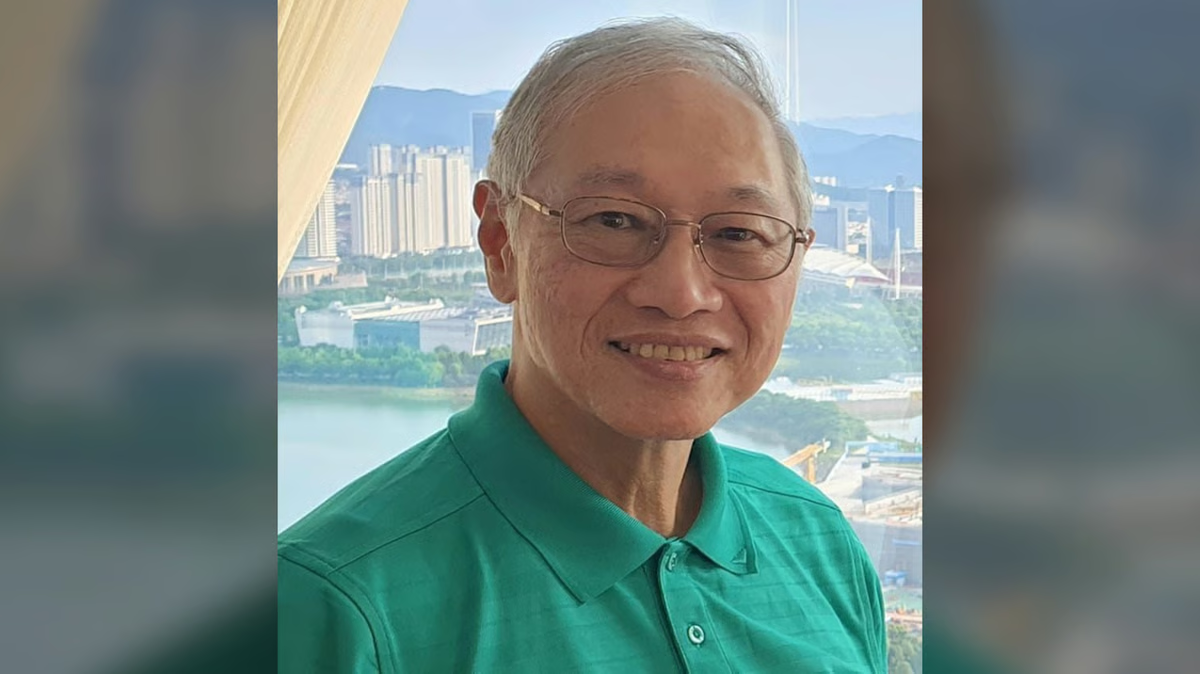
Davao City-based businessman John Gaisano Jr. is urging the national government to address structural weaknesses in agriculture, energy and exports to pull the Philippines out of what he calls "slowflation," a combination of rising prices and sluggish economic growth, according to the Daily Tribune.
Gaisano said short-term measures such as price ceilings and cash handouts would not solve the underlying problems. He argued for sustained investment in irrigation, cold storage, farm-to-market roads and post-harvest logistics so that local harvests reach markets without spoiling, rather than relying mainly on reactive import orders or price caps that he said discourage farmers.
He also called for urgent steps to lower electricity costs, which he said were hurting local manufacturing and deterring foreign investors. He recommended fast-tracking power generation projects, streamlining permits and buying fuel based on the lowest landed cost rather than geopolitical considerations.
On foreign exchange, Gaisano said the country should look beyond remittances from overseas Filipino workers and the business process outsourcing industry. "OFW remittances and the BPO sector have carried our economy for decades, but they aren't enough to offset a massive trade deficit," he said. He proposed scaling up high-value exports such as electronics, processed farm products and digital services, as well as investing in tourism infrastructure, to bring in foreign currency and support the peso.
Gaisano further urged disciplined public spending, saying government borrowing should go to infrastructure and human capital, particularly education and healthcare, rather than overhead and political patronage. "Every peso of public debt must go toward high-multiplier infrastructure and human capital," he said.
He pointed to the country's dependence on imported fuel and food as a major source of inflation, worsened by a weak peso that raises the cost of crude oil, medicines, manufacturing equipment and fertilizer. He also warned that higher borrowing costs, as the Bangko Sentral ng Pilipinas moves to contain inflation and support the currency, could curb household spending and discourage business expansion and hiring.
According to the Daily Tribune, his assessment echoes a recent statement by Citigroup that the country was already experiencing stagflation, which it also described as "slowflation." Gaisano, an educator and civic leader, said the problem requires an honest look at its causes and practical action rather than slogans and temporary fixes.
Why it matters for Davao
Gaisano links higher grocery and fuel costs felt by households to import dependence and a weak peso, and his proposals on farm logistics and power costs bear on food prices and business conditions in Davao.
This article was written by the DavaoNews desk with AI assistance, using reporting by Daily Tribune. Facts come from the original report, which we credit and link below. Our editorial policy
Discussion (0)
Sign in with Google to join the discussion.
Sign in to commentNo comments yet. Start the conversation.