
Commentary: ASEAN's Manila summit must turn agreements into jobs and growth
A Mindanao Times commentary argues that the 49th ASEAN Summit will be judged by whether its commitments improve economic security and daily life across Southeast Asia.
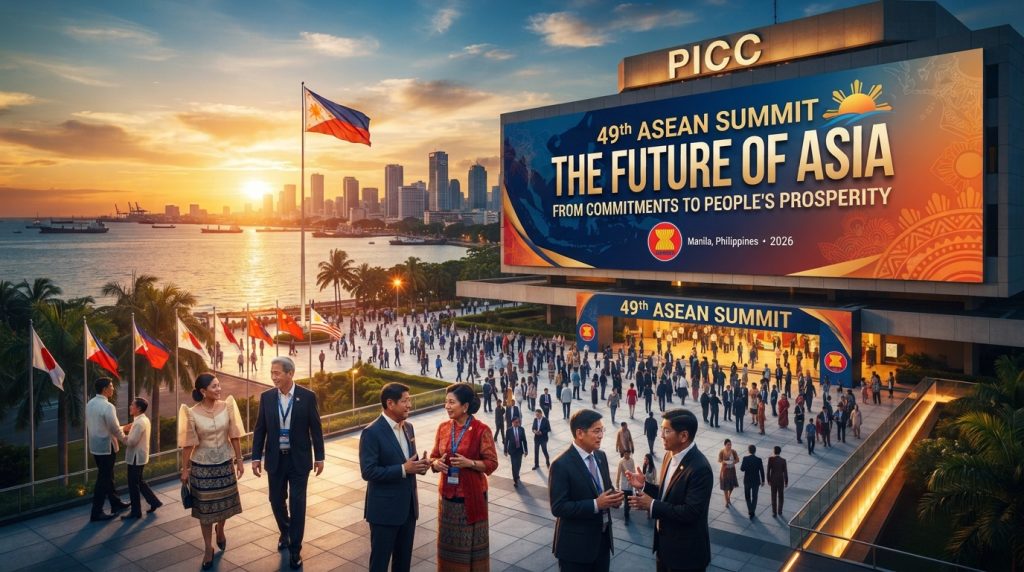
A commentary published by Mindanao Times argues that the 49th ASEAN Summit, held in Manila from November 15 to 17, 2026, showed the value of regional cooperation. The writer says its real test will be whether its diplomatic agreements create opportunities and improve everyday life for Southeast Asians.
The Philippines chaired ASEAN in 2026 under the theme "Navigating Our Future, Together," built on three priorities: peace and security, prosperity corridors and people empowerment. The piece argues that security, economic progress and human development cannot be treated separately. It describes ASEAN's main strength as keeping countries with different political systems and interests in dialogue, not resolving every dispute.
The commentary gives particular weight to the economic and financing side of the meetings. It cites IMF Managing Director Kristalina Georgieva, who said IMF calculations show that cutting non-tariff barriers could raise ASEAN's GDP by 4.3 percent over the long term and, with suitable labour policies, create about four million jobs. It also cites ADB President Masato Kanda, who said the region needs about US$7.1 trillion in infrastructure investment through 2040, leaving an estimated annual financing gap of around US$261 billion. Kanda said the main constraint is a shortage of bankable projects rather than a lack of capital.
According to the piece, the ADB completed its US$30 billion ASEAN pledge with up to US$8 billion by 2030 for a river resilience initiative on water, food security, floods and drought, and up to US$5 billion for digital-economy programmes.
At the ASEAN–UN Summit, President Ferdinand Marcos Jr. noted that only 36 percent of accessible Sustainable Development Goal targets were on track with less than four years left before the 2030 deadline.
The writer argues that Southeast Asia need not choose between partners such as the United States, China and India. Economic cooperation with China and the management of South China Sea disputes should proceed in parallel, the piece says. It also points to growing India–Philippines cooperation in areas such as fintech, maritime security and skills development.
The commentary concludes that integration depends on physical infrastructure, including roads, ports, power and digital networks. It argues that planning should become more inclusive and connect secondary cities and rural communities.
Why it matters for Davao
The commentary argues that regional integration should reach small businesses and that infrastructure planning should connect secondary cities and rural areas, not only major capitals.
This article was written by the DavaoNews desk with AI assistance, using reporting by Mindanao Times. Facts come from the original report, which we credit and link below. Our editorial policy
Discussion (0)
Sign in with Google to join the discussion.
Sign in to commentNo comments yet. Start the conversation.