
National consultation to draft El Niño response plan for submission to President Marcos
Scientists, academics and community representatives, including researchers from Davao Oriental State University, will meet in Quezon City from November 21 to 26 to build a coordinated El Niño action matrix.
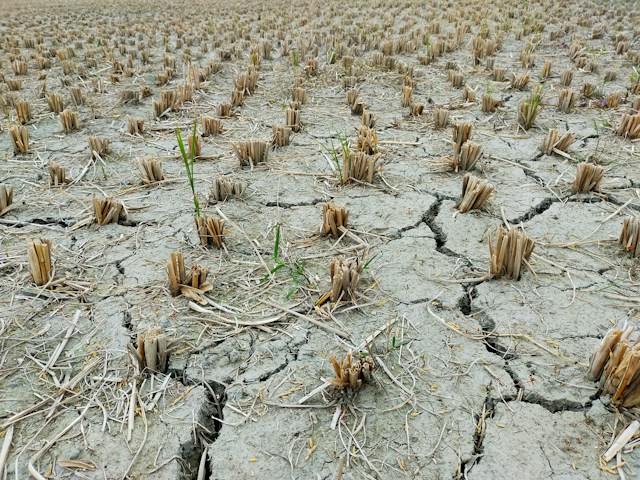
Academics, scientists and community leaders from across the Philippines will gather in Diliman, Quezon City, from November 21 to 26 for a national consultation on the impact of El Niño and how the country should respond, according to Mindanao Times.
The National Multi-Stakeholder Consultation on El Niño Impact and Response is organised by the University of the Philippines and the Natural Resources Development Corporation (NRDC). Its stated aim is to strengthen national preparedness and produce a coordinated, science-based response to the risks the weather phenomenon brings.
The main output will be a National Multi-Stakeholder El Niño Response Action Matrix. Organisers said it will match priority needs with specific voluntary interventions and spell out lead agencies and partners, timelines, performance measures and reporting arrangements. The matrix will be compiled into a report for President Ferdinand R. Marcos Jr.
Organisers are giving community representatives a direct role in checking whether proposed interventions are relevant, accessible and workable. Participants are to include learners and their families, farmers, fisherfolk, indigenous peoples, persons with disabilities and barangay officials, who will discuss local needs and capacities.
Retired judge Benjamin D. Turgano, NRDC president and CEO, called for a whole-of-society effort. "No government alone can shield our people from the impacts of El Niño—this is a challenge that demands Bayanihan," he said, adding that the response should prioritise the poor and most vulnerable.
Dr. Alfredo Mahar Lagmay of the UP Resilience Institute and Project NOAH will discuss the science of El Niño and its expected effects on the country. A DOST-PAGASA team led by Ana Liza S. Solis will present the climate outlook and a geographic risk assessment.
Researchers from the UP College of Engineering, the UPLB School of Environmental Science and Management, Silliman University and Davao Oriental State University will share lessons from past El Niño episodes. Government agencies are expected to identify priority populations and areas, existing programmes, operational gaps and where partnerships are needed.
The consultation will focus on three areas: continuity of basic and higher education, health protection and social services, and food security and agriculture.
Why it matters for Davao
A Mindanao institution, Davao Oriental State University, is part of the programme, and the plan's focus on agriculture, food security, health and schooling covers sectors that affect farmers, fisherfolk and families in the Davao Region during dry spells.
This article was written by the DavaoNews desk with AI assistance, using reporting by Mindanao Times. Facts come from the original report, which we credit and link below. Our editorial policy
Discussion (0)
Sign in with Google to join the discussion.
Sign in to commentNo comments yet. Start the conversation.