
Japan to help Davao City find private partner for waste-to-energy plant
Under the proposed setup, Japan and a private bidder would split construction costs, leaving the city with no construction bill, according to Councilor Temujin Ocampo.
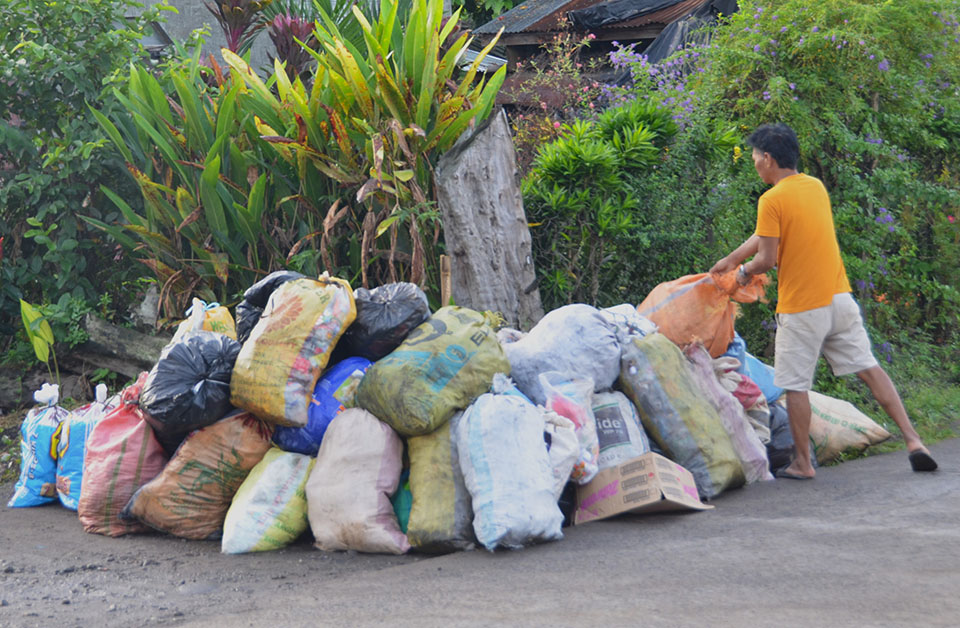
The Japanese government will help Davao City look for a private partner to cover half of the construction cost of the city's proposed waste-to-energy (WTE) facility, Councilor Temujin "Tek" Ocampo told Edge Davao.
Ocampo chairs the City Council's Committee on Environment and Natural Resources. He said Japan would keep funding half of the project through its grant arrangement and would take the lead in finding a private bidder for the other half. The city would observe the bidding process. "Wala na'y gastuhon ang Davao City," Ocampo said, meaning the city would no longer have to spend for the construction.
The city government hopes to finish the bidding by the end of 2026 or early 2027. Construction would follow, and the facility is targeted for completion by December 2029, Ocampo said. The project falls under Japan's Grant Aid to the Philippines, based on an Exchange of Notes and Agreed Minutes on Procedural Details signed on March 20, 2018.
The City Council is also working to adopt the project's bidding documents so that competitive bidding can proceed under Japanese grant-aid guidelines. The proposed ordinance sets out bidding procedures, technical and operational requirements, and draft contracts. These include a Comprehensive Agreement, an Engineering, Procurement and Construction Contract, and an Operation and Maintenance Contract. The ordinance also provides for a Build-Transfer-Operate framework.
The ordinance states that adopting the bidding documents does not mean the project has been awarded or that the city has approved or signed any contracts. Any later award, contract signing or financial obligation involving the city would still need the proper legal and legislative approvals.
Ocampo said the city has prepared for its part in the project, including setting aside funds for a performance bond. He added that the city needs to strengthen waste segregation before the facility starts operating.
A proposed solid waste management ordinance would make segregation at source mandatory, so that only suitable residual waste goes to the WTE plant. Ocampo said composting of biodegradable waste at the landfill will continue. The city may also work with other partners interested in collecting recyclables and other types of waste.
Why it matters for Davao
If the plan pushes through, Davao City residents may be required to segregate their garbage at source. The city could also gain a new facility for handling residual waste without paying for its construction.
This article was written by the DavaoNews desk with AI assistance, using reporting by Edge Davao. Facts come from the original report, which we credit and link below. Our editorial policy
Discussion (0)
Sign in with Google to join the discussion.
Sign in to commentNo comments yet. Start the conversation.