
Davao leads revival of Philippine cacao as industry grapples with supply gap
The region supplies an estimated 70 to 80 percent of the country's cacao, but low yields, pests and poor roads continue to hold farmers back, according to Edge Davao.
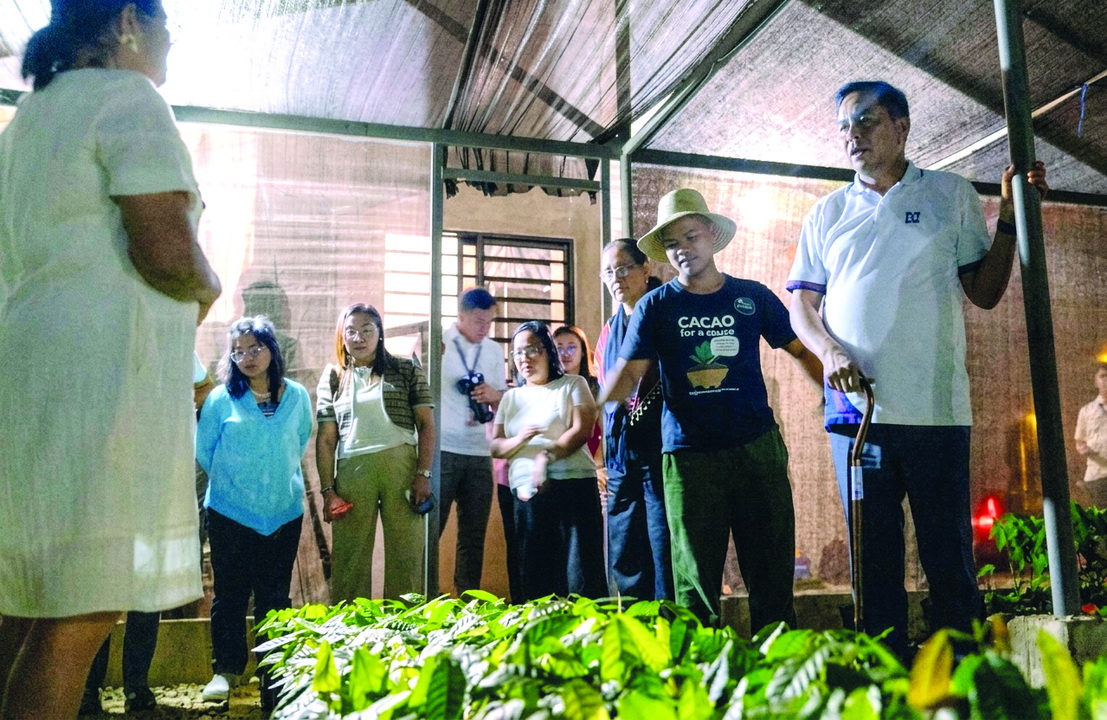
The Davao Region produces an estimated 70 to 80 percent of the Philippines' cacao, putting it at the centre of a national industry that is recovering after decades of decline, according to a feature published by Edge Davao.
The region carries the official designation of Cacao Capital of the Philippines, covering Davao City, Davao del Norte, Davao del Sur, Davao Occidental, Davao Oriental and Davao de Oro. Davao City itself has been recognised as the Chocolate Capital of the Philippines under Republic Act No. 11547. Edge Davao credits the volcanic soils around the foothills of Mt. Apo, along with favourable rainfall and tropical climate, for the region's dominance. Thousands of farmers across these provinces rely on cacao for income.
Cacao was first planted in the country in the 17th century in San Jose, Batangas, and commercial plantations expanded from the 1950s through the mid-1980s. The industry then declined after the 1988 Comprehensive Agrarian Reform Program broke large plantations into smaller farms and a cocoa pod borer outbreak damaged crops nationwide. Nic Richards, former chief of party of ACDI/VOCA, said these factors led to "a serious decline in the cocoa industry."
The sector is now growing again on the back of rising domestic demand, government support and the international success of bean-to-bar brands such as Malagos Chocolate, Theo & Philo and Auro Chocolate, which have won awards abroad. Trinitario is the main variety, making up about 70 percent of production, alongside Criollo and Forastero.
Challenges remain. Domestic demand still outpaces local supply, forcing manufacturers to import. Yields on many farms are low because of ageing trees, pests, weak farm management, volatile prices and rising input costs. In remote areas, poor farm-to-market roads raise transport costs, and access to extension services, planting materials and post-harvest facilities is uneven.
The Department of Agriculture's High-Value Crops Development Program provides planting materials, technical help and post-harvest support, while the Department of Trade and Industry assists cacao-based businesses in reaching larger markets. Intercropping cacao with coconut is also being promoted to help farmers diversify income.
The feature also cites a technology project in Apayao, where Farm North Agriventures Inc., with support from the Department of Science and Technology in the Cordillera region, developed a Smart Cacao Management System using solar-powered irrigation, environmental sensors and GIS mapping. Company president Engr. Mark Jan R. Galleon said the system could cut seedling mortality from 40 percent to 10 percent or lower and link farmers directly with institutional buyers.
Why it matters for Davao
With the region supplying most of the country's cacao, efforts to close the supply gap and raise yields directly affect the incomes of thousands of Davao farmers and the local chocolate businesses that depend on their beans.
This article was written by the DavaoNews desk with AI assistance, using reporting by Edge Davao. Facts come from the original report, which we credit and link below. Our editorial policy
Discussion (0)
Sign in with Google to join the discussion.
Sign in to commentNo comments yet. Start the conversation.