
Dragonflies in decline as wetlands vanish, scientists warn
An Edge Davao feature reports that 16 percent of the world's dragonfly and damselfly species are threatened, with Philippine endemic species especially hard hit.
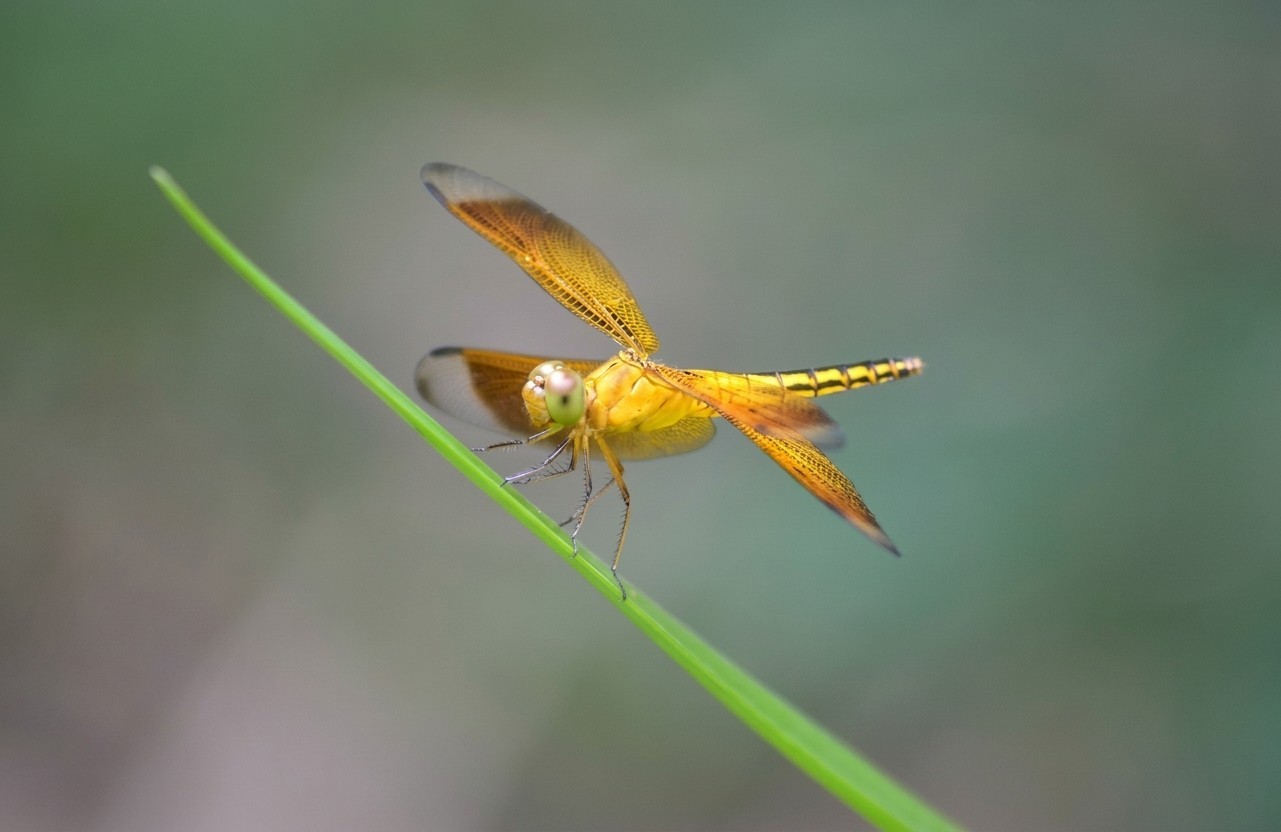
Dragonflies, among the oldest flying insects on Earth, are declining worldwide as the wetlands they depend on disappear, according to an environment feature published by Edge Davao.
Citing a global assessment by the International Union for Conservation of Nature (IUCN), the feature reports that 16 percent of the world's dragonfly and damselfly species are threatened with extinction. The assessment covered more than 6,000 species. In South and Southeast Asia, more than a quarter of species face threats, largely because of rapid habitat destruction. In the Philippines, 123 of 197 endemic species have been reported as compromised.
Dragonflies and damselflies belong to the insect order Odonata, whose ancestors date back more than 300 million years. The latest World Odonata List recognises 6,442 species, found on every continent except Antarctica. The insects are harmless to people and feed on mosquitoes, flies and gnats, while serving as food for birds, fish and amphibians.
Scientists value them as indicators of environmental health. Dragonflies spend most of their lives underwater as larvae, which need clean water, and as adults they rely on healthy vegetation. Their disappearance often signals problems in rivers, ponds and marshes before people notice.
The feature identifies wetland loss from urbanisation and unsustainable farming as the biggest threat. Other pressures include pesticide and fertiliser runoff, industrial waste, untreated sewage, invasive species, fragmentation of habitats by roads and mining, and climate change, which can dry up ponds or bring floods that wash away eggs.
Former IUCN Director General Dr. Bruno Oberle said the decline underscores "the urgent need to protect the world's wetlands and the rich tapestry of life they harbor."
The feature notes some grounds for hope. Wetland restoration, cleaner water and protection of riverbank vegetation have often led dragonflies to return. Monitoring programmes, citizen science efforts by photographers and amateur naturalists, and education campaigns are also helping scientists track populations and identify species at risk.
Why it matters for Davao
Dragonflies eat mosquitoes and signal the health of rivers, ponds and rice fields, so their decline points to stress on the freshwater systems that communities in the region rely on.
This article was written by the DavaoNews desk with AI assistance, using reporting by Edge Davao. Facts come from the original report, which we credit and link below. Our editorial policy
Discussion (0)
Sign in with Google to join the discussion.
Sign in to commentNo comments yet. Start the conversation.