
MinDA says too early to tell if US energy import plan will raise Mindanao costs
The Mindanao Development Authority says negotiations are ongoing and pledges to monitor prices and push local renewable energy investments.
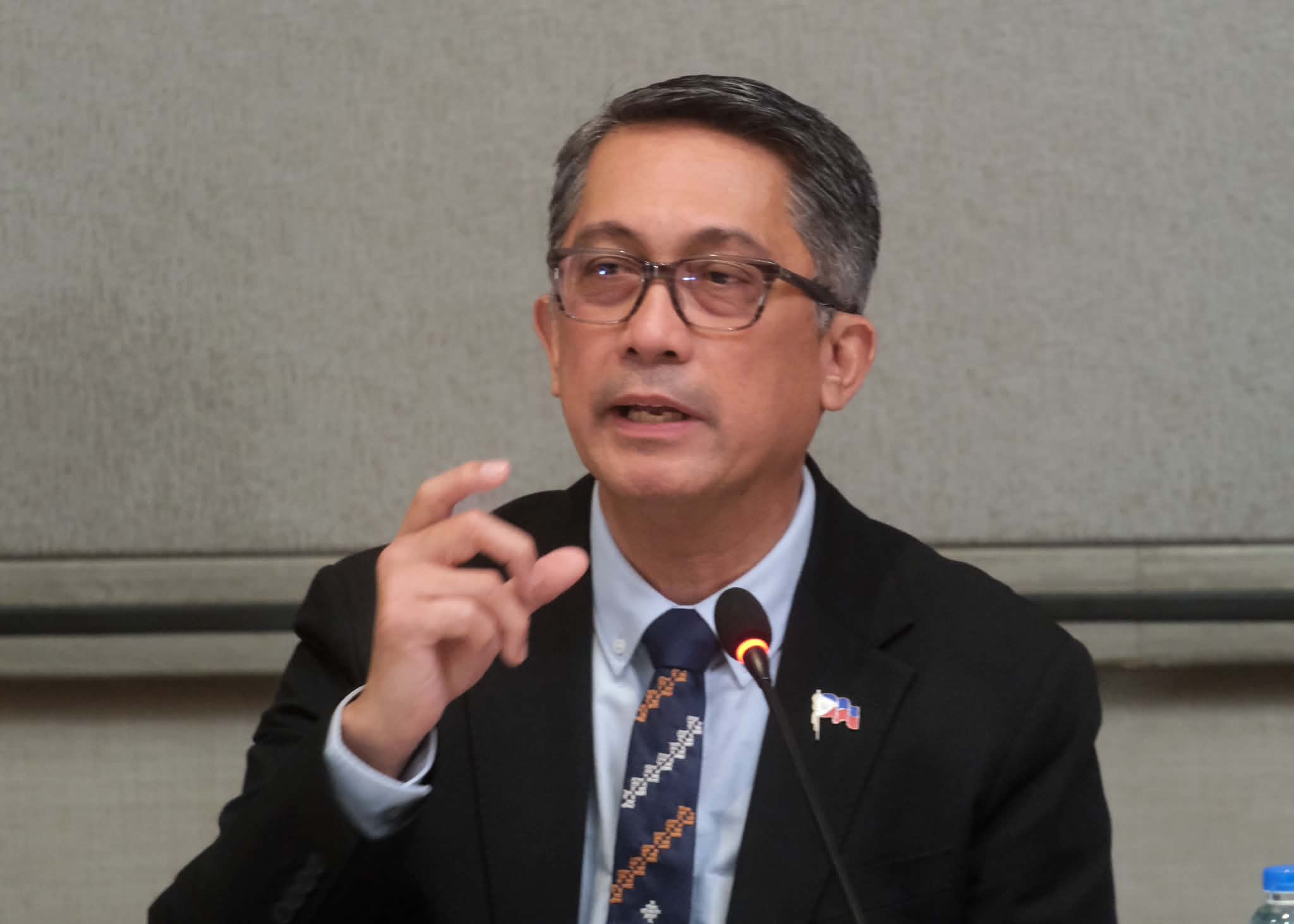
The Mindanao Development Authority (MinDA) said it cannot yet say whether the Philippines' plan to source all of its energy imports from the United States will push up costs or hurt Mindanao's economic competitiveness, according to Edge Davao.
MinDA chairman Secretary Leo Tereso Magno told the outlet that the effect will hinge on several factors, including global market prices, shipping costs, exchange rates, the kinds of energy products covered and the final terms of the agreements.
US President Donald Trump announced the plan after meeting President Ferdinand Marcos Jr. at Malacañang on November 18, 2026. The shift is expected to take effect on January 1, 2027. Magno said, however, that talks are still ongoing and actual costs have not been determined, noting that Marcos and Department of Energy (DOE) Secretary Sharon Garin had both clarified that discussions continue.
"Perhaps it is premature to conclude that sourcing energy from the United States would necessarily result in higher costs," Magno said.
He said MinDA sees a need to strengthen the country's energy supply while keeping electricity and fuel affordable and reliable. Expanding external supply, he added, should go together with developing domestic resources and renewable energy.
While the DOE and the Energy Regulatory Commission handle international energy negotiations and power rate regulation, Magno said MinDA will look after Mindanao's interests through policy coordination, monitoring and investment support. Through the Mindanao Power Monitoring Committee, which it co-chairs with the DOE, the agency will track fuel supply, generation costs, electricity rates and the possible effects of new import arrangements.
MinDA will also promote investments in solar, hydro and biomass energy, as well as transmission lines and energy storage, under its MinREACH initiative, which aims to make supply more reliable and reduce reliance on imported fuel. It is also working with the United Nations Industrial Development Organization on the Energy Efficiency for Sustainable Livelihoods Philippines Project, which helps businesses use energy more efficiently and cut operating costs.
Magno said MinDA will push for import agreements that are transparent and competitive, so that changes in the country's energy sourcing do not unfairly burden Mindanao consumers and industries.
Why it matters for Davao
Changes in where the country buys its energy could affect electricity and fuel prices for Davao households and businesses, and MinDA says it will monitor rates and push for terms that do not unfairly burden Mindanao consumers.
This article was written by the DavaoNews desk with AI assistance, using reporting by Edge Davao. Facts come from the original report, which we credit and link below. Our editorial policy
Discussion (0)
Sign in with Google to join the discussion.
Sign in to commentNo comments yet. Start the conversation.