
Edge Davao column lists 10 carols that define the Filipino Christmas
An Edge Davao opinion column argues that the country's best-loved holiday songs endure because they reflect faith, family and community.
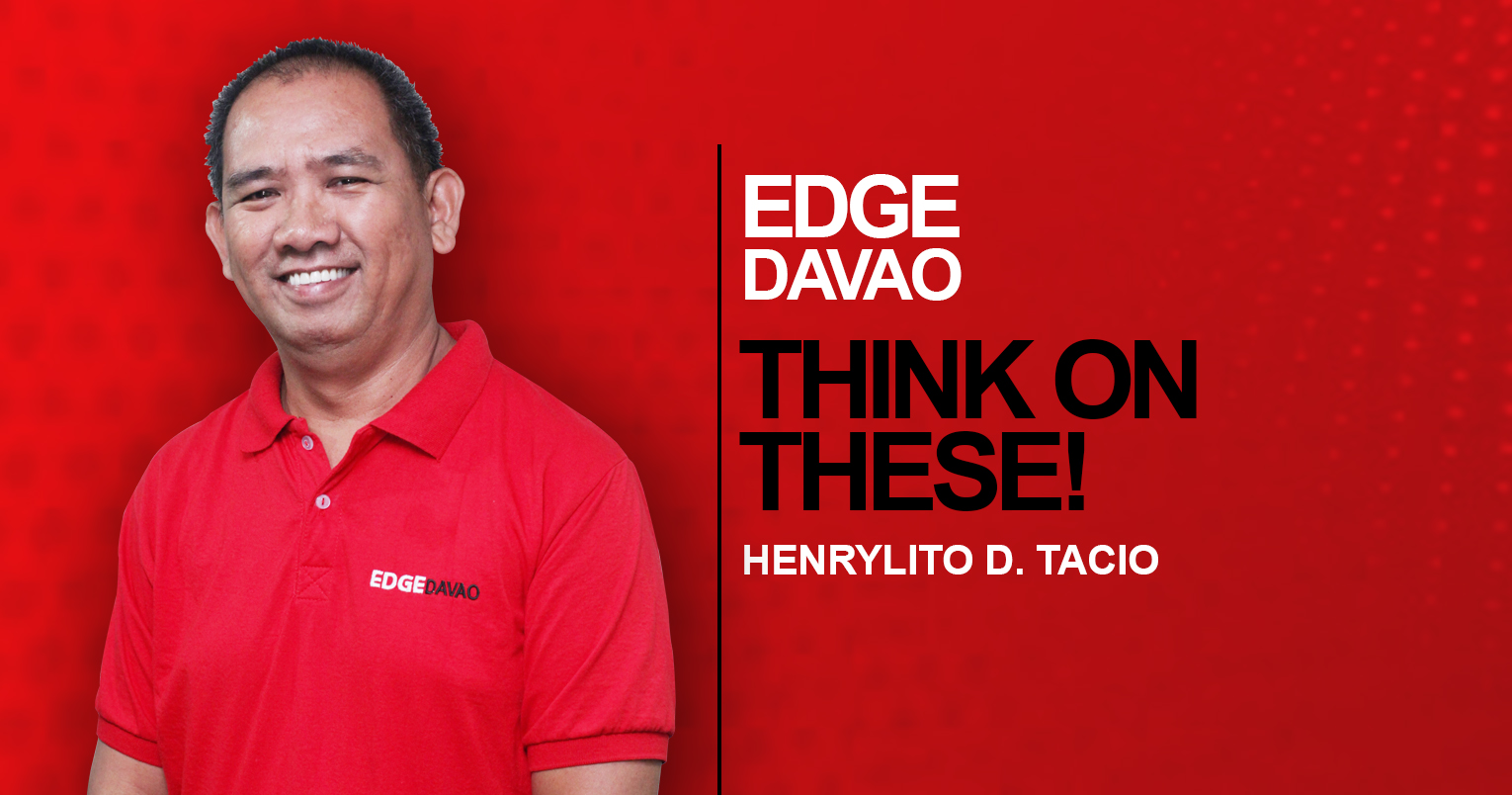
A column in Edge Davao's "Think On These" series argues that Christmas music is more than entertainment in the Philippines. The writer describes it as an inseparable part of Filipino culture, family traditions and religious faith, especially in a country known for celebrating the world's longest Christmas season.
The columnist names ten carols that, in the writer's view, have been handed down through generations. At the top is "Ang Pasko ay Sumapit," which the column says was adapted from the Cebuano song "Kasadya Ning Taknaa" and is arguably the most recognised carol in the country.
Two Jose Mari Chan songs make the list. The column says "Pasko Na Naman" signals the start of the season for many Filipinos, and that "Christmas in Our Hearts," released in 1990, is among the best-selling Christmas songs in Philippine history.
Also included are "Himig ng Pasko," credited in the column to National Artist Levi Celerio and composer Lucio San Pedro; the lantern-themed "Kumukutikutitap"; and "Sa May Bahay ang Aming Bati," which the writer links to the tradition of house-to-house caroling.
The remaining picks are "Noche Buena," about the Christmas Eve midnight feast; "Merry Christmas Darling," which the columnist says resonates with overseas Filipino workers separated from their families; "Star ng Pasko," originally recorded by ABS-CBN artists; and "Sana Ngayong Pasko," popularised by Ariel Rivera, which the column describes as a ballad about reconciliation and healing.
The writer argues that the songs' popularity rests on the values they carry: faith, close family ties, gratitude, generosity, hope and community spirit. Whether heard during Simbang Gabi, in shopping centres or from children with homemade instruments, the columnist says, these carols create a shared experience across regions and generations.
The column concludes that as long as Filipinos treat Christmas as a season of faith and family, these songs will remain the soundtrack of the holiday.
Why it matters for Davao
The column notes that one of the country's best-known carols traces its roots to the Cebuano song "Kasadya Ning Taknaa," a reminder of the Visayan-language heritage shared by many in Davao.
This article was written by the DavaoNews desk with AI assistance, using reporting by Edge Davao. Facts come from the original report, which we credit and link below. Our editorial policy
Discussion (0)
Sign in with Google to join the discussion.
Sign in to commentNo comments yet. Start the conversation.