
Poor fiber quality and weak local processing hold back Mindanao abaca, project says
A Fiber for the Future Project official says the spread of the lower-grade Daratex hybrid, plant disease and a lack of local processors leave abaca farmers earning little despite growing global demand.
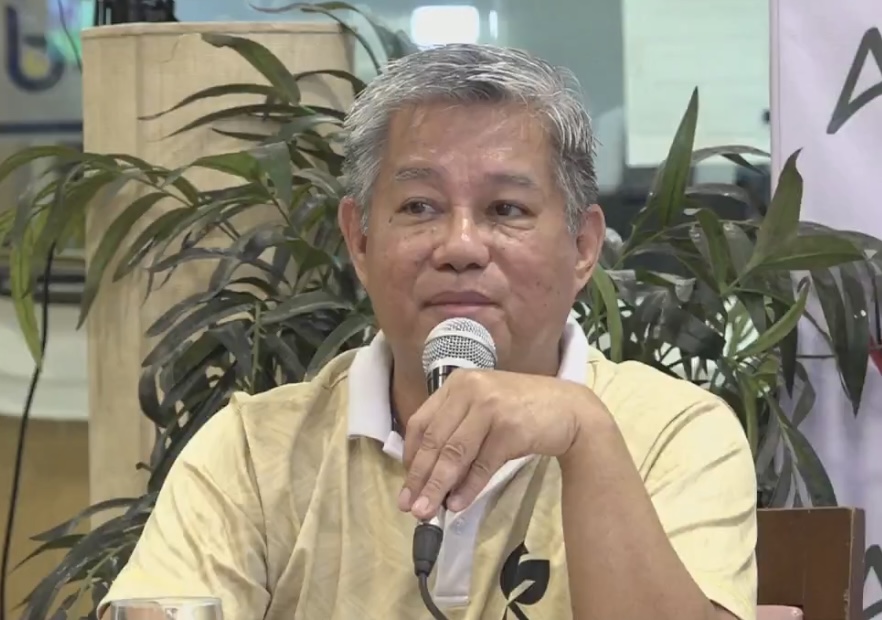
Mindanao's abaca industry is struggling with fiber quality problems and too little local processing even as global demand for natural fibers grows, an official of the Fiber for the Future (F4F) Project said at the Habi at Kape media forum in Davao City on Wednesday, Nov. 18.
Arnello Astillero, the project's consortium coordinator, said the sector faces fiber contamination, plant disease and low productivity. A major concern is Daratex, a hybrid created by crossing abaca with pakol, a native seeded banana. Its fiber is weaker and has lower tensile strength than true abaca, and its mixing with abaca has hurt fiber quality and recovery rates during processing.
Citing Department of Agriculture data, Astillero said Daratex covers about 20,000 hectares in Mindanao, including areas in Davao Oriental and Davao del Norte. "Daratex is sometimes sold as abaca, which gives buyers the impression that abaca quality is falling," he said. Some buyers, including manufacturer Newtech Pulp, now inspect fiber more strictly and automatically reject shipments containing Daratex, while European buyers have raised concerns about quality and tensile strength in mixed fibers.
Farmers continue to plant abaca, but disease keeps yields low. The project's latest data put average output at about 700 kilograms of fiber per hectare per year. Astillero said that under current market conditions "the abaca farmer is always on the losing end."
He said local margins are too thin to be commercially viable, so the country mostly exports pulp sheets, a low-value raw material. He noted that a kilo of top-grade fiber sells for about P90, while a kilo of tinagak, or fiber tied together, fetches about P600. He called on the government to offer investment incentives for local processors so more value can be added in the country.
The F4F Project is led by Woord en Daad with Kennemer Foods International, Agronomika Finance Corporation and the Department of Agrarian Reform, in partnership with the Philippine Fiber Industry Development Authority. It covers around 3,900 hectares across Bukidnon and parts of the Davao, Soccsksargen and Caraga regions, providing farmers with training, financing and market access. The project is also negotiating direct sales to international buyers and building a traceability system, which Astillero said is increasingly required in Europe, to secure premium prices.
He said demand for natural fibers is rising as industries seek plastic alternatives, such as composites for car interiors and construction panels. The project will hold its culminating event, Himaymay 2026 Advancing Sustainable Abaca Communities, at Soto Grande Hotel on Nov. 25 to discuss the sector's challenges and ways to sustain project gains.
Why it matters for Davao
Abaca is grown in Davao Oriental and Davao del Norte, so quality problems and low farmgate earnings directly affect farming communities in the region. Local processing and premium export deals could raise incomes for Davao Region abaca growers.
This article was written by the DavaoNews desk with AI assistance, using reporting by Mindanao Times. Facts come from the original report, which we credit and link below. Our editorial policy
Discussion (0)
Sign in with Google to join the discussion.
Sign in to commentNo comments yet. Start the conversation.