
Davao City steps up heat and water preparations as strong El Niño looms
Street vendors and pedicab drivers describe working through intense heat as city health and disaster offices ramp up monitoring ahead of a strong El Niño that PAGASA says could last into 2027.
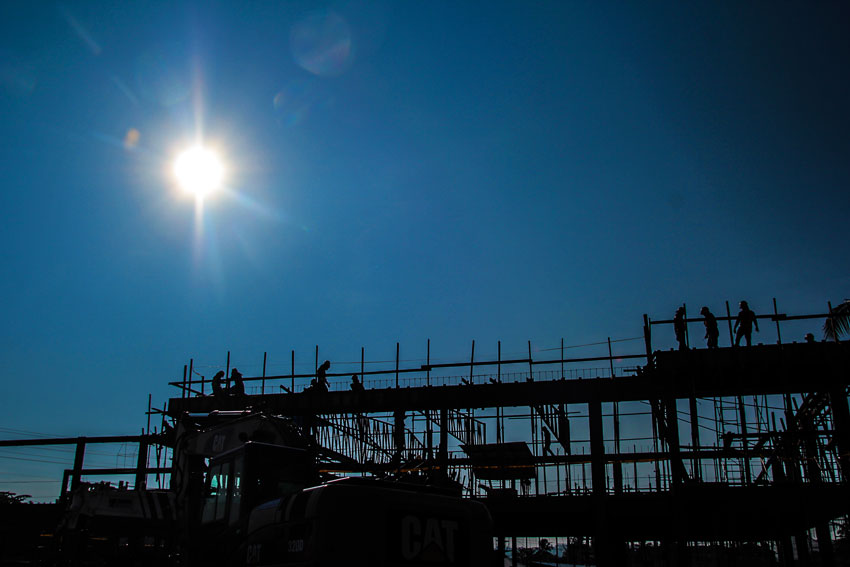
Davao City health and disaster officials are tightening surveillance for heat-related illnesses and keeping watch on water supplies as PAGASA warns of a strong to very strong El Niño, while outdoor workers say the heat is already hard to bear, Davao Today reported.
According to PAGASA, the El Niño now present in the tropical Pacific could persist through the first quarter of 2027 and may affect the region through the first half of the year, raising the chances of below-normal rainfall, dry spells and drought in some areas.
Jay Elixir Rica, 40, sells juice and street food such as siomai, fish balls and kwek-kwek across from Kapitan Tomas Monteverde Sr. Central Elementary School in Poblacion District. He told Davao Today that 10 a.m. to 3 p.m. is the hardest stretch of his day, that he seeks shade when the heat becomes too much, and that he now drinks far more water than before. Pedicab driver Jefferson Vismanos, 47, who works eight to 10 hours a day downtown, said the heat has not cut much into his income but he rests and drinks water when he can. "My concern is that I might suffer a heat stroke," he said.
The City Health Office has begun strengthening surveillance for dehydration, heat cramps, heat exhaustion and heatstroke. Farah May Clamor, head of the City Epidemiology and Surveillance Unit, said preparations also cover keeping water sources clean and conserved, and flagged waterborne diseases, food poisoning and dengue as concerns. She urged residents to prioritise safe drinking water, handwashing and sanitation, avoid leaving food exposed to heat, and clear mosquito-breeding sites. Dr. Ritze Burgos of the office's health disaster risk program said daily heat-index monitoring will be conducted, along with health promotion and stockpiling of medical supplies.
Dr. Honey Christine Dasmariñas of the Southern Philippines Medical Center (SPMC) advised residents on Oct. 19 to drink water regularly even without thirst, wear loose and breathable clothing, and schedule outdoor activities early in the morning or after 4 p.m. SPMC had not recorded a significant rise in heat-related cases as of that date.
The City Disaster Risk Reduction and Management Office (CDRRMO) is also watching for farm, forest and bush fires, geologist Agnes Padinas said. Operations and warning division head Rodrigo Bustillo said the office will issue heat-index bulletins and coordinate with city officials on limiting daytime activities, roughly from 9 or 10 a.m. to 2 p.m., if heat indices are high. He said there is no critical shortage affecting household water use yet, but a possible reduction in water sources is expected. The city is also checking that fire hydrants remain functional.
Why it matters for Davao
Residents, especially outdoor workers, face higher risks of heat illness, possible water supply reductions and potential limits on daytime activities in the coming months.
This article was written by the DavaoNews desk with AI assistance, using reporting by Davao Today. Facts come from the original report, which we credit and link below. Our editorial policy
Discussion (0)
Sign in with Google to join the discussion.
Sign in to commentNo comments yet. Start the conversation.