
NGCP plans battery storage under 'Project Airbag' to ease grid strain ahead of 2027 El Niño
The grid operator says batteries can give the transmission system fast-response support but cannot replace new power plants.
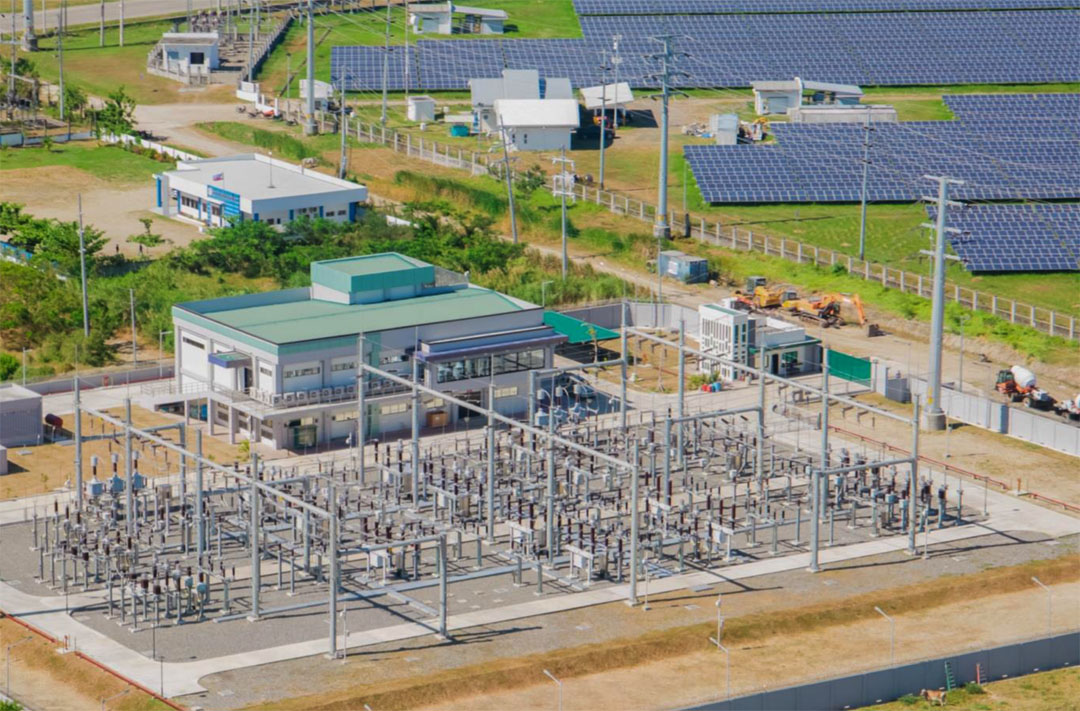
The National Grid Corporation of the Philippines (NGCP) is pushing ahead with Project Airbag, a plan to install battery energy storage systems on the transmission side of the power grid, according to Mindanao Times. The goal is to give the grid more flexibility during tight supply and to prepare for possible generation shortfalls linked to the El Niño expected in 2027.
Under the project, batteries would store electricity when supply is available and release it when the grid is under pressure. NGCP said this would give it a fast-response tool during short shortages and system disturbances.
The initiative comes as the Visayas grid continues to face tight supply, made worse by several generators going offline at the same time. NGCP said the battery rollout is not limited to the Visayas, and that it is also looking at the wider Philippine grid, particularly areas where hydroelectric output depends on rainfall and reservoir levels and could drop during El Niño.
The company was careful to set limits on what the project can do. "Batteries do not create electricity and cannot substitute for sufficient dependable generation over prolonged periods," NGCP said. It added that storage can be deployed faster than new power plants and is meant to strengthen the grid before conditions worsen, not only after shortages hit.
According to NGCP, batteries can capture surplus power, such as daytime solar output, and release it during evening peaks or periods of low hydro output. The company said strategically placed storage could also make better use of existing transmission lines and could become part of its longer-term grid resilience strategy, subject to regulatory approval.
NGCP said the project is also meant to help the grid absorb power from a wider range of sources, including large plants, embedded generation, net-metered facilities and rooftop solar. It said the aim is to widen participation in energy supply to households, businesses, distribution utilities, communities and agricultural users where technically and commercially feasible.
The company reiterated that battery storage is meant to support, not replace, the building of additional dependable generation capacity.
Why it matters for Davao
NGCP says the battery rollout covers the wider Philippine grid, with attention to hydro-dependent areas that could see reduced output during the 2027 El Niño, which bears on power reliability for consumers and businesses in Davao City.
This article was written by the DavaoNews desk with AI assistance, using reporting by Mindanao Times. Facts come from the original report, which we credit and link below. Our editorial policy
Discussion (0)
Sign in with Google to join the discussion.
Sign in to commentNo comments yet. Start the conversation.