
Edge Davao column urges shift from enduring disasters to reducing risk
A 'Living on the Edge' column argues that hazards like typhoons and earthquakes become disasters only when communities fail to prepare, and calls for a science-based redefinition of Filipino resilience.
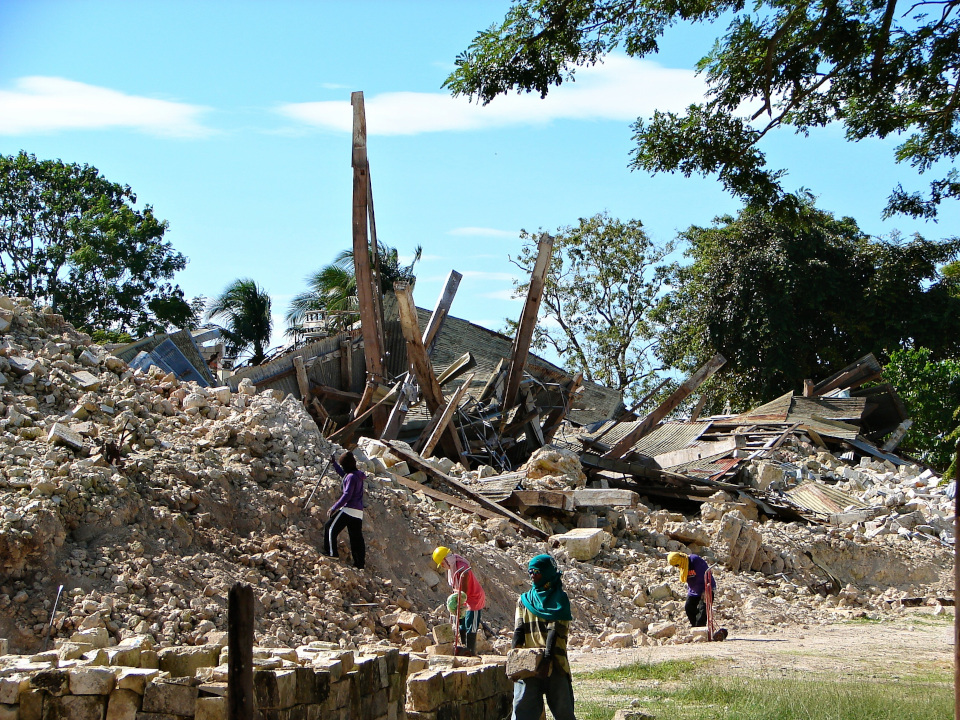
A column in Edge Davao's 'Living on the Edge' series argues that the Philippines must move beyond praising people for surviving calamities and focus instead on preventing avoidable losses.
The piece opens by recalling Tropical Storm Sendong (Washi), whose floodwaters struck Cagayan de Oro and Iligan before dawn on December 17, 2011, killing hundreds. It describes the country as sitting within the Pacific 'Ring of Fire', crossed by numerous fault lines, home to more than 20 active volcanoes, and visited by an average of about 20 tropical cyclones a year. It adds that the World Risk Report 2023 ranked the Philippines first among 193 countries for exposure and vulnerability to natural hazards and climate-related risks, for the second year in a row.
The column notes that climate change is intensifying these threats through stronger typhoons, erratic rainfall, prolonged droughts and rising seas, a serious concern for an archipelago with roughly 18,000 kilometres of coastline and many coastal cities and fishing communities.
Central to the argument are remarks by Department of Science and Technology Secretary Renato Solidum Jr. at the Mindanao leg of the 'Handa Pilipinas' disaster risk reduction exposition in Cagayan de Oro some years ago. Solidum said disasters occur when government, communities and individuals fail to anticipate, prevent, mitigate and prepare for hazards, and when they do not use reliable scientific information. He also said "the most vulnerable suffer the most."
The writer points to Mindanao's own record, including Sendong, the 2015 to 2016 El Niño, the 2019 earthquakes and 2022 flooding, as evidence that disasters can wipe out years of development within hours. Solidum argued that protecting Mindanao's growing economy requires reducing climate and disaster risks.
The column says technology such as forecasting, flood monitoring and hazard mapping helps, but stresses that early warnings and hazard maps work only when people trust them and planners use them. It closes with Solidum's call for a "redefined and reimagined Filipino brand of resilience" centred on reducing vulnerability.
Why it matters for Davao
The column cites Mindanao's recent history of floods, droughts and earthquakes, underscoring that preparedness and use of hazard information matter for communities across the island, including Davao City.
This article was written by the DavaoNews desk with AI assistance, using reporting by Edge Davao. Facts come from the original report, which we credit and link below. Our editorial policy
Discussion (0)
Sign in with Google to join the discussion.
Sign in to commentNo comments yet. Start the conversation.