
Food waste deepens hunger and climate problems, Philippine and global data show
An Edge Davao feature draws on FNRI, PhilRice and UN figures to argue that cutting household food waste is part of tackling food insecurity.
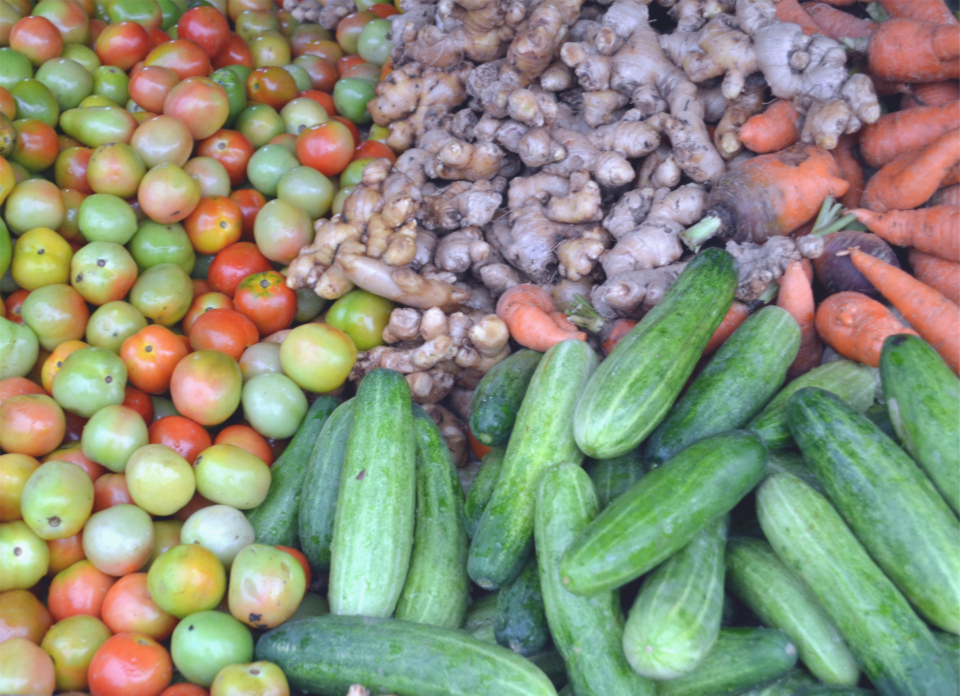
Filipino households continue to throw away significant amounts of food even as nearly a third of families face hunger, according to a feature published by Edge Davao that compiles national and international data on food waste.
The 2023 National Nutrition Survey by the Department of Science and Technology's Food and Nutrition Research Institute (FNRI) found that 31.4 percent of Filipino households experience moderate to severe food insecurity. That is down from 33.4 percent in 2021, but severe food insecurity rose from 2.0 percent to 2.7 percent of households. Large households, rural families and the lowest-income groups remain the most vulnerable.
Rice is the most visible example of waste. FNRI data for 2018 to 2019 showed households discarded an average of 53 grams of cooked rice a day. The Philippine Rice Research Institute (PhilRice) estimated that daily rice wastage fell from about 9 grams of uncooked rice per person in 2009 to about 6 grams in 2024, saving an estimated P3.6 billion. Dr. Hazel V. Antonio-Beltran of PhilRice said the rice still being wasted "could still sustain 2.79 million people for a year."
FNRI studies also found that vegetables, fish, meat and poultry make up a large share of plate waste, and that bigger and wealthier households tend to waste more. FNRI Director Imelda Angeles Agdeppa linked the issue directly to hunger, saying discarded food "might actually be enough to feed" Filipinos struggling with food insecurity.
Globally, the United Nations Environment Programme's Food Waste Index Report 2024 estimated that 1.05 billion tons of food were wasted, or about 79 kilograms per person a year. Rotting food in landfills releases methane, a potent greenhouse gas, and represents wasted water, land, labour and fuel.
PhilRice has stepped up campaigns urging Filipinos to cook only what they need, while dozens of local ordinances nationwide now require food establishments to offer half-cup rice servings.
The feature recommends simple household steps: planning meals before shopping, cooking appropriate portions, storing food properly, serving smaller first helpings, understanding expiration labels, and turning leftovers into dishes such as fried rice or arroz caldo. It notes that reducing waste alone will not end hunger, but argues that addressing food insecurity becomes harder while large amounts of food end up in the trash.
Why it matters for Davao
The national figures on hunger and household food waste apply to families everywhere in the country, and the practical steps outlined can help Davao households save money and reduce what goes to landfills.
This article was written by the DavaoNews desk with AI assistance, using reporting by Edge Davao. Facts come from the original report, which we credit and link below. Our editorial policy
Discussion (0)
Sign in with Google to join the discussion.
Sign in to commentNo comments yet. Start the conversation.