
Davao Region to hold cacao congress as global shortage squeezes supply
Industry players will meet at Seda Hotel in Davao City on Thursday, Nov. 12, to map out local priorities for the region's cacao sector.
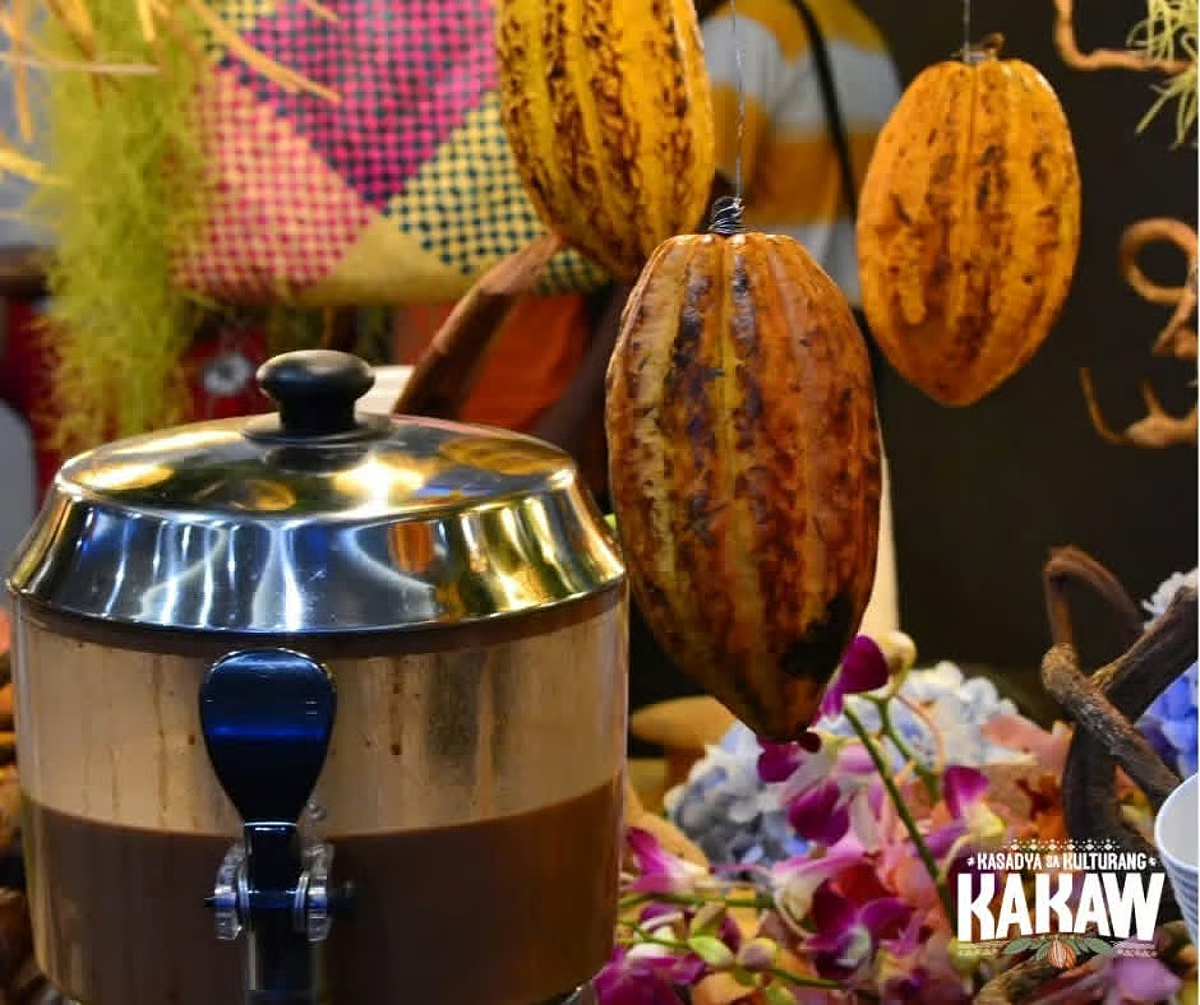
Cacao growers, processors and other industry players in the Davao Region will gather for a regional cacao congress on Thursday, Nov. 12, at Seda Hotel in Davao City, with organizers aiming to tackle limited supply amid a worldwide cacao shortage, according to SunStar Davao.
Wit Holganza, president of the Davao City Cacao Industry Development Association and chairperson of Kakaw Konek 2026, said at the Kapehan sa Dabaw media forum at SM City Davao on Monday, Nov. 9, that domestic production falls short of local demand. The country still imports cocoa powder from Indonesia and Malaysia. "There's not enough cacao being grown in the Philippines," she said.
The region is already the country's main source of cacao. The Department of Agriculture-Davao Region has reported annual output of about 7,800 metric tons of dried beans from nearly 20,000 hectares of farms, or more than 70 percent of national production. Preliminary Philippine Statistics Authority figures show the region produced 2,560 of the country's 3,280 metric tons from October to December 2025, a quarter in which national output was the highest for that period since 2010.
Holganza said earlier conferences focused mostly on the national level, while this congress is meant to identify Davao's own priorities and feed them into the national cacao roadmap. Sessions will cover productivity, processing and quality, traceability and innovation, market access and agritourism, and supply chain, capital and infrastructure. Organizers said the talks will help shape the region's cacao development agenda for 2027 to 2030.
Holganza also noted that Dabawenyos drink far less tableya and sikwate than people in Cebu and Bohol, partly because chocolate is seen mainly as a sweet treat, and that chocolate drinks face stiff competition from specialty coffee. Local tableya also stays costly because small farmers and processors still work largely by hand without access to machinery.
Ahead of the congress, the Tsokolate Fiesta runs Nov. 11 and 12 at the Abreeza Mall Activity Center, with chocolate painting and digital art contests, tasting flights and a trade fair separating export-ready chocolate makers from those serving the domestic market. Holganza also pointed to non-food uses of cacao, such as fossilized leaves that farm families sell for about ₱10 each and that can be made into lampshades, bags, wallpaper and notebook covers.
The congress and fiesta cap the five-month Kasadya sa Kulturang Kakaw celebration. Under Republic Act 11547, Davao City is the Chocolate Capital of the Philippines and the Davao Region the country's Cacao Capital.
Why it matters for Davao
Cacao is a major livelihood in the region, and the congress could shape priorities on productivity, processing costs and market access for local farmers and chocolate makers through 2030. Residents can also visit the Tsokolate Fiesta at Abreeza Mall to sample local products.
This article was written by the DavaoNews desk with AI assistance, using reporting by SunStar. Facts come from the original report, which we credit and link below. Our editorial policy
Discussion (0)
Sign in with Google to join the discussion.
Sign in to commentNo comments yet. Start the conversation.