
Vegetation, rubbish fires make up half of Davao City fire incidents as BFP readies El Niño plan
The Davao City Fire District is auditing backup water sources, mapping high-risk areas and stepping up its campaign against open burning as a dry spell looms.
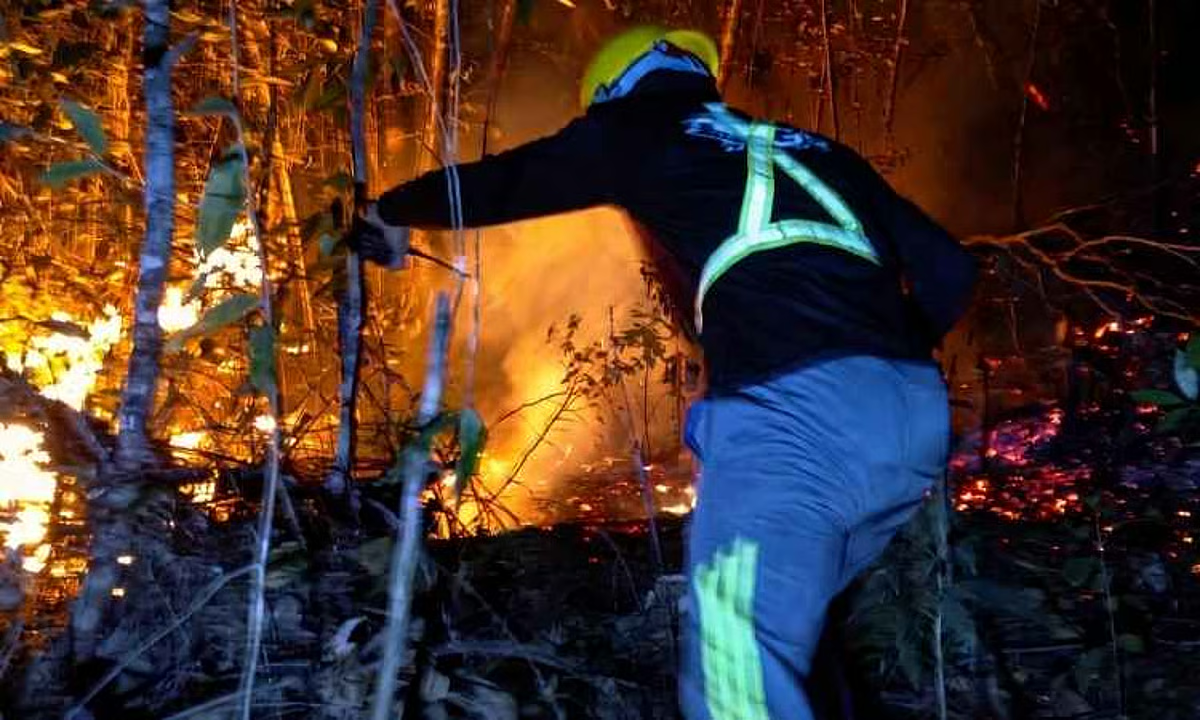
Vegetation and rubbish fires made up 50.5 percent of fire incidents in Davao City from January to October 2026, the Bureau of Fire Protection-Davao City Fire District (BFP-DCFD) said, as it begins carrying out an El Niño action plan, according to SunStar.
DCFD spokesperson Fire Senior Inspector Frances Marie Sendrijas linked the increase to El Niño during the Davao Peace and Security Press Corps media briefing on Wednesday, Oct. 28. Earlier DCFD figures showed 734 fire incidents from January to September 2026, up 37.9 percent from 532 in the same period last year. Grass fires and agricultural land-clearing fires jumped to 123 from 13.
Under the plan handed down by BFP national headquarters, local stations must audit alternative water sources for the dry months, such as water tanks, swimming pools and nearby rivers and lakes. Sendrijas said that in a worst-case scenario, firefighters would draw water from these bodies of water. The plan also includes mapping high-risk areas, preparing a contingency plan and intensifying campaigns against open burning. Quick reaction teams for wildland fires are still being formed, she said.
Sendrijas said work on the plan began after a meeting with Interior Secretary Juanito Victor C. Remulla in September. The national plan covers four phases: preparedness, mitigation, response and recovery.
According to the DCFD's 2025 hydrant mapping, the city has 381 fire hydrants, of which 337 are working and 44 are not. Each of the city's 15 fire stations has a serviceable fire truck, with about 18 serviceable trucks in total.
Firefighters are monitoring grassland areas in Toril District and Calinan, as well as densely populated communities in Buhangin, Agdao, Matina Crossing and Bankerohan, where homes made of light materials stand close together. Sendrijas said electricity use doubles in these areas during hot weather and that electrical faults remain the city's leading cause of fires.
She urged residents to avoid substandard appliances, particularly cooling units, and to stop burning garbage. "Tumawag agad ng bumbero, huwag muna pong mag-Facebook Live," she said, asking the public to call firefighters right away instead of livestreaming. The DCFD will also intensify its Oplan Ligtas na Pamayanan, which includes house-to-house checks of electrical outlets, cooking areas and LPG tanks.
DOST-Pagasa Davao weather specialist Engr. Alan Ray C. Ribo earlier said rainfall in the city is expected to drop significantly starting November, with a dry spell expected by February 2027.
Why it matters for Davao
With a dry spell expected by February 2027, residents in grassland and densely built areas face higher fire risk, and the BFP is asking households to stop burning garbage and check their appliances.
This article was written by the DavaoNews desk with AI assistance, using reporting by SunStar. Facts come from the original report, which we credit and link below. Our editorial policy
Discussion (0)
Sign in with Google to join the discussion.
Sign in to commentNo comments yet. Start the conversation.