
Bansalan corn farmer turns to tobacco spray to fight stalk borers
A Davao del Sur farmer trained by the Mindanao Baptist Rural Life Center says a homemade tobacco solution cut pest damage and pesticide costs, as tobacco finds wider use in farms and fishponds.
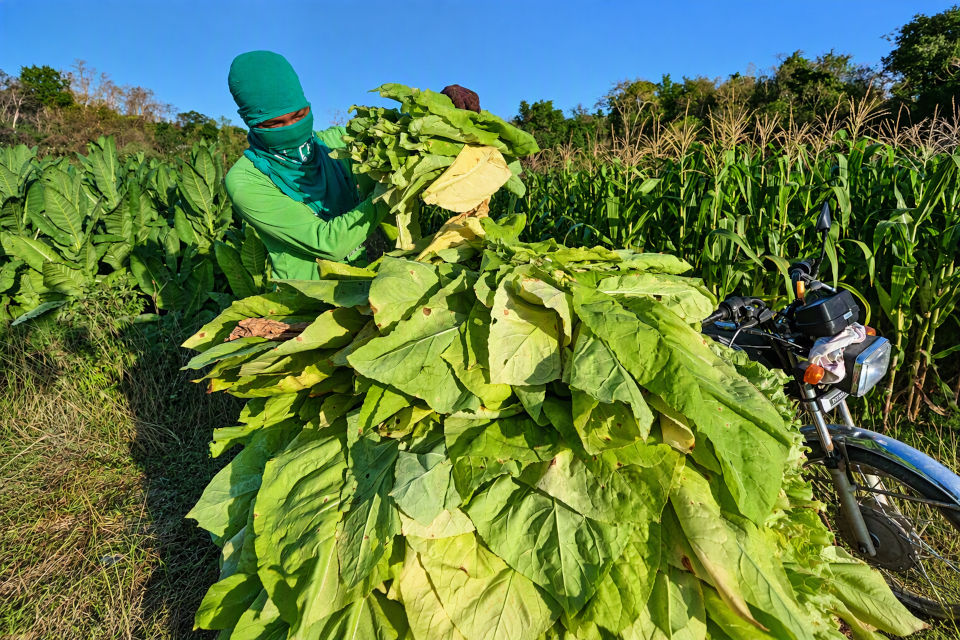
A corn farmer in Bansalan, Davao del Sur, has cut his reliance on commercial insecticides by using a homemade tobacco spray against stalk borers, according to Edge Davao.
The 35-year-old farmer, identified only as Serapion, has grown corn for nearly a decade. His main problem has been the common stalk borer, an insect that attacks young corn plants and can kill the growing point, causing a condition known as "dead heart." He said he once relied on chemical pesticides, believing they were the fastest and most effective option.
That changed after he joined a two-day organic agriculture training by the Mindanao Baptist Rural Life Center (MBRLC) in Kinuskusan, Bansalan. Participants learned to boil dried tobacco leaves and stems in water, then cool, filter and dilute the liquid and mix it with bar soap. The solution is poured into the whorls of infested corn plants. Serapion said insect numbers dropped, crop damage eased and he spent less on pesticides, noting that the materials were easy to find and cheap to prepare.
MBRLC technicians said the spray can also be used as a soil drench against cutworms, on beans to suppress rust disease, and against aphids, beetles, caterpillars, mites, thrips and other pests. "Tobacco extracts are especially effective against insects that suck or chew plant tissues," said Ian Ogatis, MBRLC farm manager. Weekly brush-on applications are also reportedly used to control ticks and fleas on cattle.
The United States-based Educational Concerns for Hunger Organization, which also promotes tobacco spray, warns against using it on tomatoes, eggplants, peppers, potatoes and related crops because of the risk of spreading plant viruses. It advises farmers to wear protective clothing and masks, keep the solution away from people and animals, wait at least four days before harvesting treated crops, and wash produce thoroughly.
Tobacco is also being used in aquaculture. The National Tobacco Administration has promoted tobacco dust to control nuisance snails in fishponds and fish cages. Research by the Southeast Asian Fisheries Development Center and field trials in several Luzon provinces reportedly showed fingerling losses falling from about 20 percent to 5 percent, with estimated savings of around P20,000 per hectare per grow-out cycle.
Edge Davao noted that botanical pesticides are not a cure-all and still require careful preparation and safe handling.
Why it matters for Davao
For small farmers in Davao Region facing rising input costs, the low-cost tobacco spray taught by the Bansalan-based MBRLC offers a locally available alternative to commercial pesticides, provided safety precautions are followed.
This article was written by the DavaoNews desk with AI assistance, using reporting by Edge Davao. Facts come from the original report, which we credit and link below. Our editorial policy
Discussion (0)
Sign in with Google to join the discussion.
Sign in to commentNo comments yet. Start the conversation.