
Commentary urges Philippines to turn ocean economy gains into jobs and food security
A Mindanao Times commentary argues that the country's ₱1.08-trillion ocean economy must deliver measurable benefits to coastal households, not just higher GDP figures.
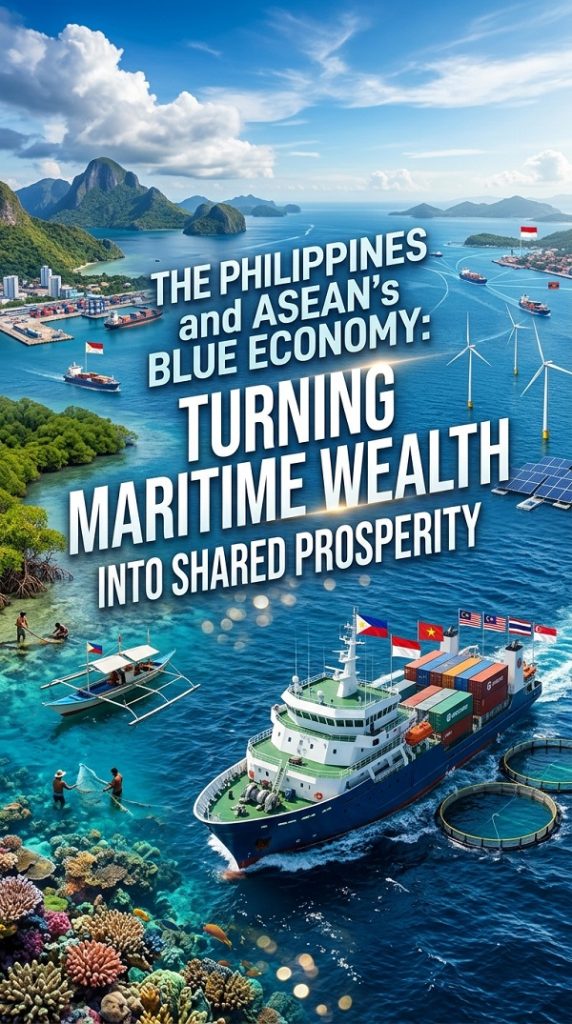
The Philippines should use its 2026 ASEAN chairmanship to make sure its ocean economy produces better jobs, stronger food security and higher incomes for coastal communities, according to a commentary published by Mindanao Times. The writer argues that growth from the sea must go hand in hand with protecting marine ecosystems.
The piece cites Philippine Statistics Authority (PSA) data released on July 23, 2026, showing that the ocean economy generated ₱1.08 trillion in 2025, or 3.8 percent of gross domestic product, and supported 2.46 million jobs, about 5 percent of national employment. Ocean fishing alone accounted for 24.1 percent of the sector's value and 37.8 percent of its jobs, which the writer says makes the welfare of fishing communities central to the sector's future.
The commentary argues that affordable credit, cold storage, ice-making equipment, modern landing facilities and better transport could cut post-harvest losses, raise prices for fishers and make seafood cheaper for consumers. It also calls for science-based fishing limits, protection of breeding grounds and safeguards for aquaculture.
On regional financing, the piece notes that the Asian Development Bank (ADB) announced on September 19, 2026, an ASEAN Blue Economy Initiative aiming to mobilize up to $6 billion through 2030. It also points to a $500-million ADB policy-based loan approved in December 2025 for a marine ecosystems program, with cofinancing from France's Agence Française de Développement and Germany's KfW bringing the total to about $969.84 million. ADB documents list 120,000 fishers, traders and vendors, and at least 10,000 waste-sector workers, as intended beneficiaries.
The writer cautions that the program's full disbursement by August 2026 is a financing milestone, not proof that environmental and livelihood goals have been met, noting that no independent evaluation is listed. The commentary argues that success should be measured by household incomes, decent employment, seafood affordability and the health of marine ecosystems rather than by the amount of money spent or agreements signed.
This article was written by the DavaoNews desk with AI assistance, using reporting by Mindanao Times. Facts come from the original report, which we credit and link below. Our editorial policy
Discussion (0)
Sign in with Google to join the discussion.
Sign in to commentNo comments yet. Start the conversation.