
DOH Davao to review UIC study finding mercury, lead in street food samples
Health officials say they can test food for mercury, but the FDA says monitoring street-vended food is the job of local governments.
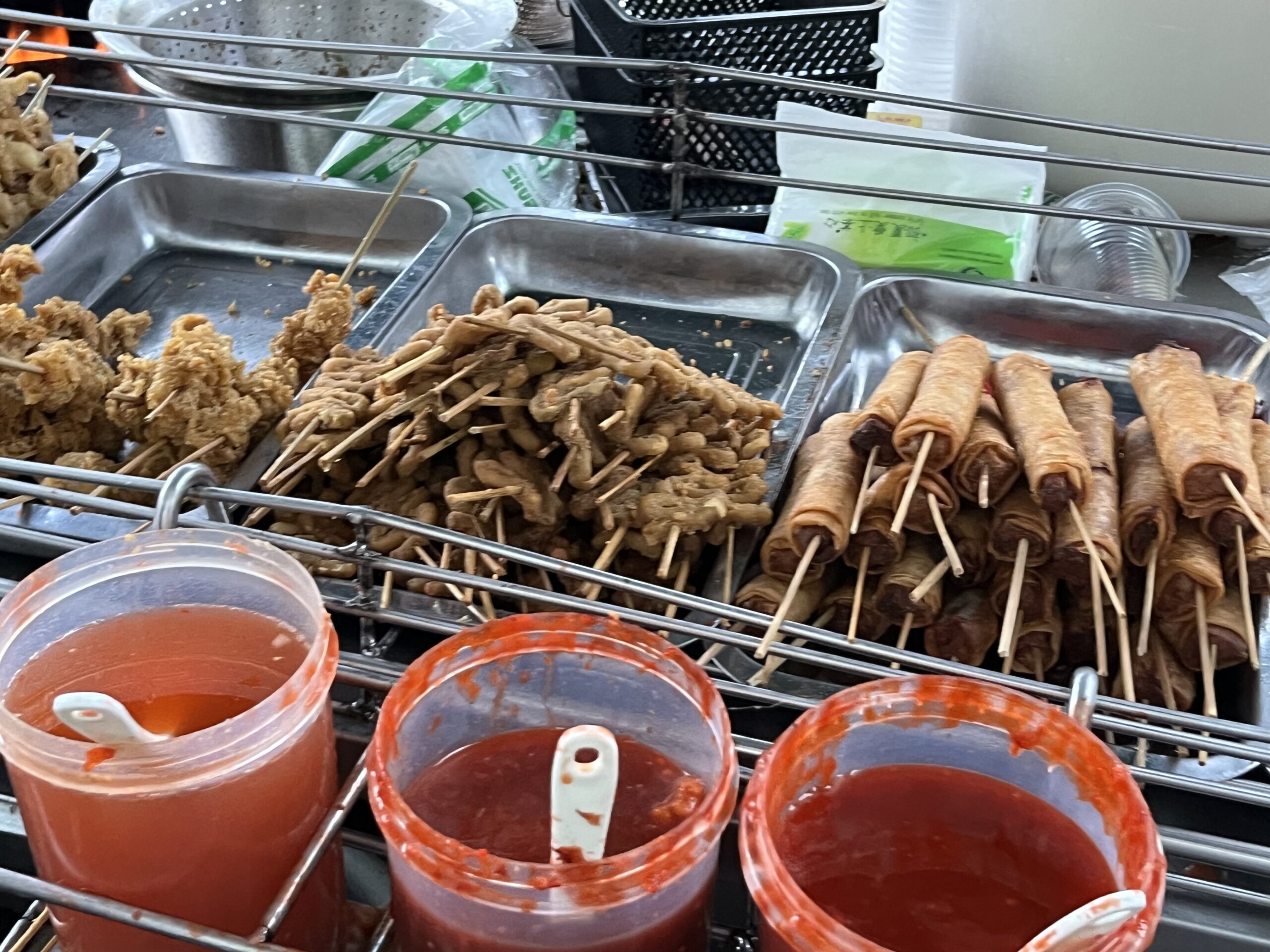
The Department of Health in Davao Region (DOH XI) said it will look into a university study that detected mercury and lead in samples of popular street food sold in Davao City, according to Davao Today.
The study by researchers from the University of the Immaculate Conception (UIC) had not yet entered the department's health alert system when it was raised during a DOH media engagement on Oct. 30. Dr. Grace Amistoso, DOH XI officer-in-charge assistant regional director, said the research had only recently circulated online and that the department has laboratories capable of testing food for mercury. "Currently, it hasn't been part of our alert. But we will look into that report," she said.
Published June 30, 2026, in the journal Food Science and Preservation, the study tested 60 samples from two busy Davao City markets: 20 each of isaw, kwek-kwek and siomai. Mercury exceeded the researchers' reference value in 80 percent of isaw and kwek-kwek samples and 90 percent of siomai samples. Lead exceeded the reference level in 20 to 30 percent of samples, while cadmium was not detected.
Based on assumed daily consumption, the researchers estimated higher exposure among children than adults. Children eating isaw and siomai had chronic hazard index values of 1.66 and 2.59, respectively, mainly due to mercury, while kwek-kwek scored 0.43. A value above 1 signals a potential non-cancer health concern under the study's assumptions, but does not show that anyone has fallen ill.
Davao Today noted the study's limits: samples came from only two markets, consumption was assumed rather than measured, and the researchers used Codex Alimentarius reference levels because no specific limits exist for these prepared foods.
Amistoso urged researchers to report findings to government agencies so these can guide public health action. "If this is just confined to your school, the research without notifying us, we cannot tackle it, and we will put people in danger," she said.
Eba Marie Antonette Inis, officer-in-charge of the FDA Mindanao East Cluster, said the FDA regulates prepackaged foods with shelf lives and does not test street food, which falls under the city health office. Under the Food Safety Act of 2013, local government units are responsible for street-food safety, with national agencies providing support. The Davao City Health Office conducts sanitary inspections and issues permits, though it is unclear whether it routinely tests street food for heavy metals.
Why it matters for Davao
Isaw, kwek-kwek and siomai are everyday snacks for many Davaoeños, and the exchange highlights uncertainty over which agency will check street food for heavy metals.
This article was written by the DavaoNews desk with AI assistance, using reporting by Davao Today. Facts come from the original report, which we credit and link below. Our editorial policy
Discussion (0)
Sign in with Google to join the discussion.
Sign in to commentNo comments yet. Start the conversation.