
Feature urges conservation of native Philippine fruits like marang, mabolo and pili
An Edge Davao feature warns that many endemic fruit species, including those once common in Davao del Sur, are fading from farms and public memory.
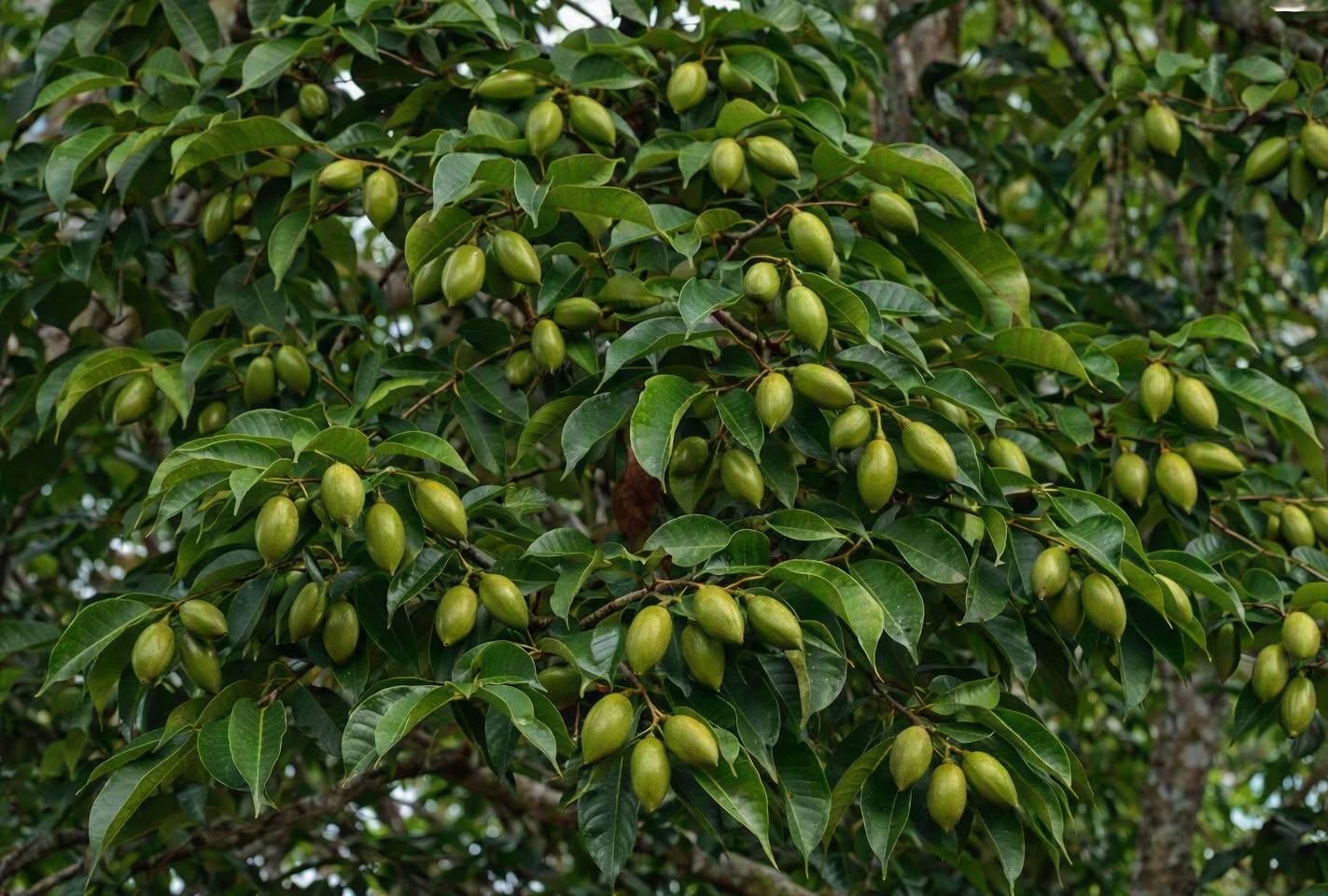
Many fruits native to the Philippines are being pushed aside by introduced crops and risk disappearing unless they are collected and conserved, according to a feature published by Edge Davao.
The piece opens in a remote barangay in Bansalan, Davao del Sur, where an elderly farmer shared mabolo, marang and wild forest fruits with visitors. He told them the fruits were once common in the area but that few people now know their names.
According to the article, most fruits on Filipino tables, including bananas, durian, jackfruit, mangosteen, pomelo and rambutan, were brought to the country over centuries by traders, migrants, and Spanish and American colonisers. Of the country's 32 economically important fruits and nuts, 23 were introduced from tropical Asia and the Americas. Among major fruit crops, only calamansi is considered native, while mabolo, marang and pili are the only indigenous minor fruit crops.
Horticulturist Dr. Roberto Coronel, author of Promising Fruits of the Philippines, is cited as saying that truly endemic fruit and nut species "have been relegated to the background." He called for collecting native species in one place so researchers can study their botanical and horticultural traits, and identified alupag, galo, lipote, malachio, manangkil, pangi, pili, ulayan and marang as having commercial potential.
The feature points to pili as an example of what native crops can achieve. Before World War II, pili nuts were exported to Hawaii, Germany, France, Great Britain and Japan, and a 1970 government publication recorded exports to Guam and Australia.
The article argues that native species may be better suited to local conditions as climate change strains food production. It notes that rare-fruit societies in the United States and Australia help preserve unusual species, and cites Dr. Coronel's suggestion that Filipinos grow indigenous fruit seedlings in home gardens and send seeds to researchers for future study.
Without such efforts, the piece warns, deforestation, urbanisation and changing farm practices could wipe out species that survive only in isolated forests, mountain slopes or backyard gardens.
Why it matters for Davao
Marang and mabolo are familiar in Mindanao, and the feature notes such fruits are becoming unknown even in Davao del Sur farming communities, which matters for local farmers, gardeners and food heritage.
This article was written by the DavaoNews desk with AI assistance, using reporting by Edge Davao. Facts come from the original report, which we credit and link below. Our editorial policy
Discussion (0)
Sign in with Google to join the discussion.
Sign in to commentNo comments yet. Start the conversation.