
Opinion: Modi's Manila visit a chance to widen India-Philippines ties beyond defense
A commentary in Mindanao Times argues that the Indian prime minister's trip for the 49th ASEAN Summit should turn diplomatic goodwill into concrete economic projects.
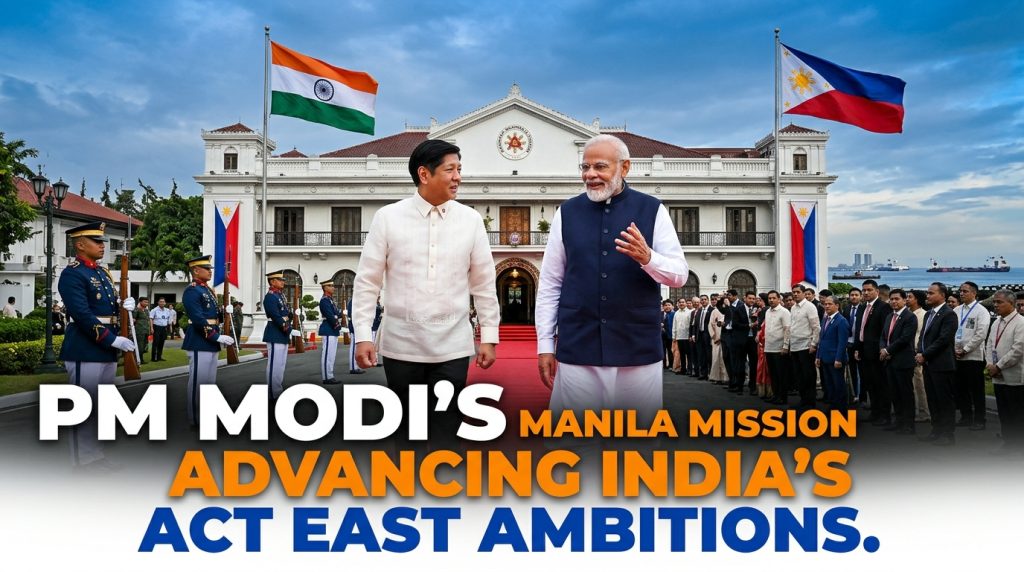
Indian Prime Minister Narendra Modi's upcoming visit to Manila for the 49th ASEAN Summit and Related Summits gives the Philippines a chance to build a much broader partnership with India, according to an opinion piece published by Mindanao Times. The writer argues that cooperation should go beyond defense and conventional trade to cover manufacturing, technology, energy, food security and human development.
The commentary notes that the groundwork already exists. During President Ferdinand Marcos Jr.'s state visit to India in August 2025, the two countries set up a strategic partnership and adopted a 2025–2029 plan of action. The leaders met again in New Delhi on September 13, 2026, at the 18th BRICS Summit, and agreed to deepen cooperation in areas including defense, trade, artificial intelligence, financial technology, education, tourism, railways and space.
On security, the piece cites India's delivery of the first BrahMos missile batch in April 2024, which made the Philippines the first foreign buyer of the system. It also points to an October 28, 2026 meeting in Cebu between Indian Defence Minister Rajnath Singh and Defense Secretary Gilberto Teodoro Jr., where the Philippines committed to help deploy a liaison officer to India's Information Fusion Centre–Indian Ocean Region.
The writer argues that bilateral trade remains modest and that a proposed India-Philippines Preferential Trade Agreement should be prioritised. The piece lists investment talks raised during Marcos's September 2026 trip, including GMR Group's partnership with Cavitex Holdings on the proposed Sangley Point International Airport and iSON Group's reaffirmed plan to invest up to US$300 million over ten years in telecommunications towers.
Other areas flagged include semiconductor and electronics joint ventures, possible links between India's UPI payment system and the Philippines' QR Ph, renewable energy, critical minerals such as nickel and copper, peaceful nuclear cooperation, and agricultural research on rice, fisheries and aquaculture. The writer stresses that the priority now is turning investment intentions into actual projects and jobs.
This article was written by the DavaoNews desk with AI assistance, using reporting by Mindanao Times. Facts come from the original report, which we credit and link below. Our editorial policy
Discussion (0)
Sign in with Google to join the discussion.
Sign in to commentNo comments yet. Start the conversation.