
MinDA aims for 50% renewable energy in Mindanao power mix by 2030
The Mindanao Development Authority says a bigger share of renewables would cut exposure to imported coal and help bring down electricity costs.
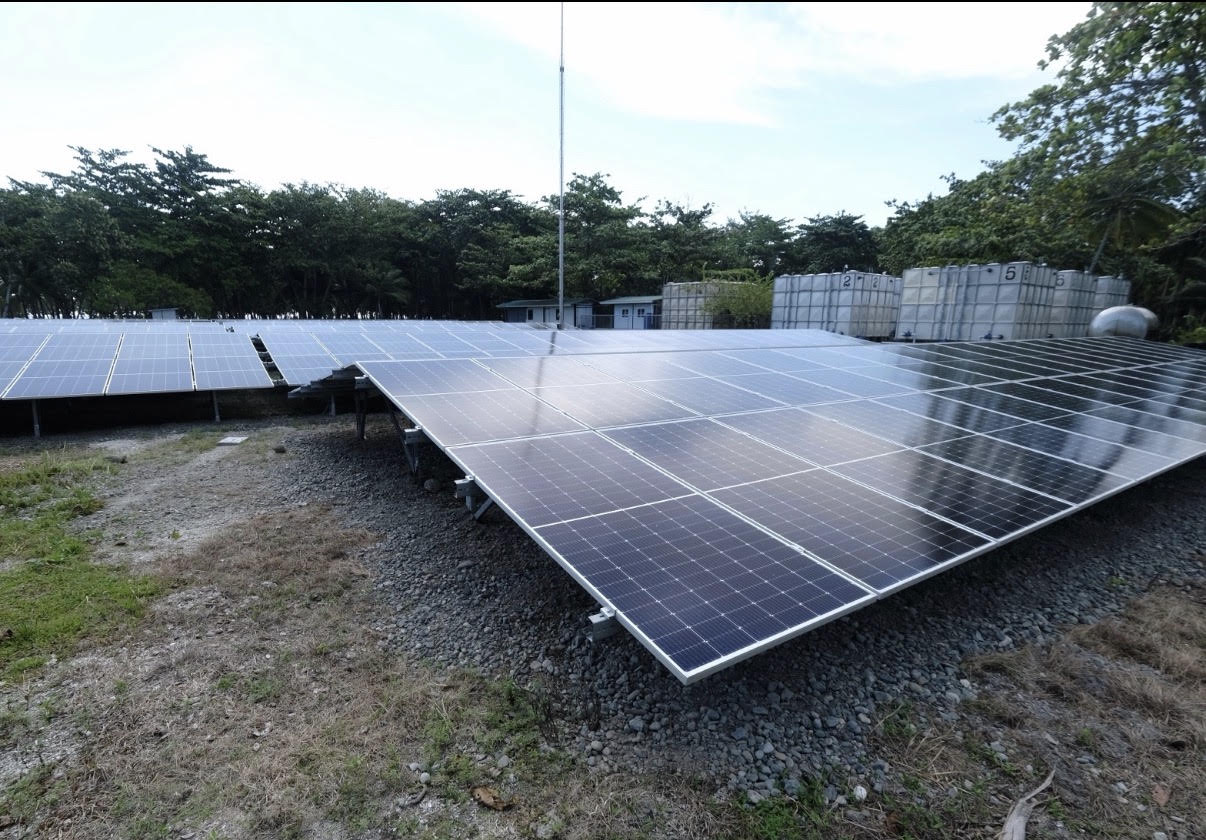
The Mindanao Development Authority (MinDA) wants renewable energy to make up half of Mindanao's power mix by 2030, a goal it says would help lower electricity costs, improve reliability and reduce the island's reliance on imported fossil fuels, according to Edge Davao.
Assistant Secretary Romeo M. Montenegro, MinDA deputy executive director, said on Wednesday that the target is well above the national goal of 35 percent. He noted that renewables already account for close to 40 percent of Mindanao's supply. According to Montenegro, the Department of Energy (DOE) agreed to the Mindanao target after the Mindanao Clean Energy Forum held in General Santos City last week.
Montenegro blamed high power prices across the country on heavy dependence on fossil fuels, which he said supply about 60 percent of the nation's electricity. He pointed out that coal is entirely imported from East Kalimantan, leaving prices exposed to market swings and foreign exchange movements. He said fuel costs rose sharply during conflict in the Middle East, affecting imported fuel. He described the Philippines as having the second-highest electricity costs in Asia, next to Japan.
He said three power plants could start supplying the grid by the end of the year, which could lift the renewable share to around 41 percent by early next year. "So we are on track on the path," Montenegro said.
Citing the DOE's latest presentation, Montenegro said more than 60 renewable energy projects in Mindanao, with a combined capacity of over 1,000 megawatts, are at various stages of development for 2026 to 2029. These include hydropower, biomass, geothermal, solar with battery storage, and waste-to-energy facilities.
He cautioned that the projects still need to pass feasibility studies, government approvals and permitting before commercial operations. MinDA is working with the DOE to speed up approvals through the Energy Virtual One-Stop Shop (EVOSS).
Montenegro also called for closer coordination among national agencies, local government units and private investors, noting that renewable facilities need local support and suitable sites. He said development partners such as the Asian Development Bank, the World Bank and the Japan International Cooperation Agency could provide blended financing to reduce risks for investors.
Reaching the 2030 target would also strengthen Mindanao's energy security and its role as a supplier to other regions, he said, adding that the Visayas can continue to expect 400 megawatts of exports from Mindanao as long as the island has excess supply.
Why it matters for Davao
MinDA says a larger share of renewables could ease electricity costs and improve power reliability across Mindanao, including Davao City, by reducing dependence on imported coal.
This article was written by the DavaoNews desk with AI assistance, using reporting by Edge Davao. Facts come from the original report, which we credit and link below. Our editorial policy
Discussion (0)
Sign in with Google to join the discussion.
Sign in to commentNo comments yet. Start the conversation.