
Column: Families of the disappeared mark Undas without graves to visit
An Edge Davao column reflects on the grief of families of desaparecidos and renews calls for the Philippines to ratify a UN convention against enforced disappearance.
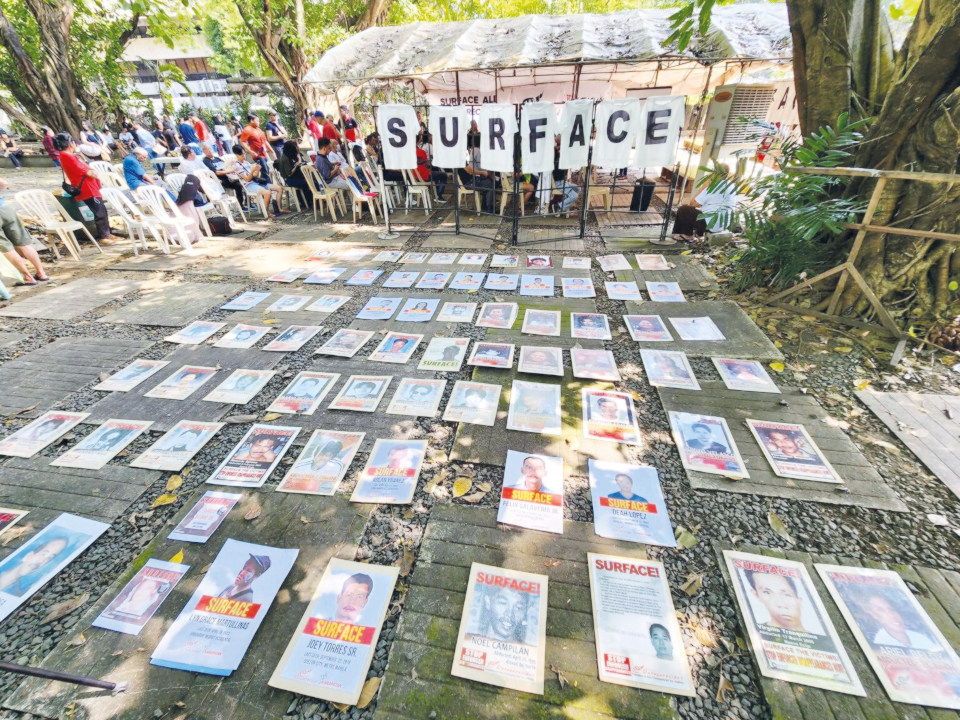
While many Filipinos spend Undas cleaning and visiting the graves of loved ones, families of victims of enforced disappearance have no grave to go to, a column in the Davao City-based Edge Davao points out. The writer of the "Kuwentong Peyups" column argues that these families carry a distinct kind of grief, as their missing relatives remain "neither dead nor alive" in a physical sense.
The column explains that the United Nations Commission on Human Rights defines enforced disappearance by three elements: a person deprived of liberty against their will, the involvement or acquiescence of government officials, and a refusal to acknowledge the detention or reveal the person's fate or whereabouts.
Without burial sites, relatives instead gather at memorials in Metro Manila to offer flowers, light candles and hold services, the column says. These include the Bantayog ng mga Desaparecido at Baclaran Church, which bears the names of more than 1,300 people disappeared during martial law; the Bantayog ng mga Bayani in Quezon City; and the Andres Bonifacio monument at Liwasang Bonifacio in Manila.
Citing data from the human rights groups Karapatan and FIND, the column reports that more than 1,900 victims of enforced disappearance have been documented in the country since the Marcos Sr. regime. These include 950 to 1,000 cases under Marcos Sr., 206 under Arroyo, 29 under Aquino, 20 under Duterte and 17 under the current Marcos Jr. administration. Victims were often activists, farmers and labour organisers, according to the column.
The writer notes that the UN International Convention for the Protection of All Persons from Enforced Disappearance, in force since December 23, 2010, has been ratified by 58 countries but not by the Philippines. Families and advocates continue to urge the government to ratify or accede to it. Locally, Republic Act 10353, the Anti-Enforced or Involuntary Disappearance Act of 2012, covers such cases, including deliberate efforts to conceal a victim's whereabouts.
The column also recalls the case of peasant activist Jonas Burgos, among the cases recorded under the Arroyo administration. A film on his disappearance, "Alipato at Muog," directed by his brother JL Burgos, received a Special Jury Award at the 2024 Cinemalaya festival and FAMAS awards for best picture and best director.
This article was written by the DavaoNews desk with AI assistance, using reporting by Edge Davao. Facts come from the original report, which we credit and link below. Our editorial policy
Discussion (0)
Sign in with Google to join the discussion.
Sign in to commentNo comments yet. Start the conversation.