
Philippine flower industry grows as local demand outpaces supply
Growers from Benguet to the foothills of Mount Apo are supplying a cut flower market that still relies partly on imports, though high costs, financing gaps and environmental concerns persist, Edge Davao reports.
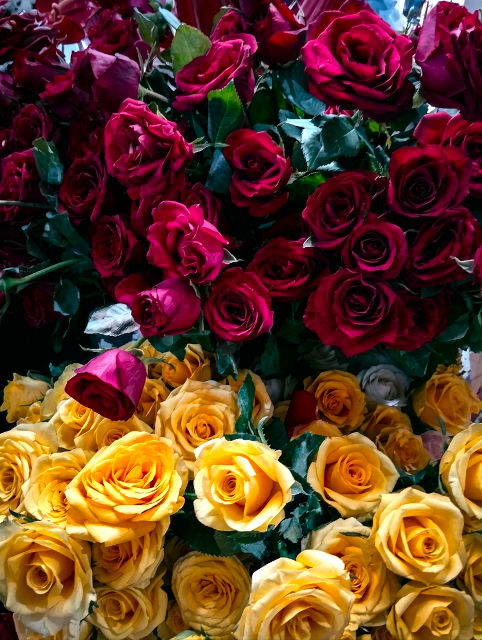
Demand for cut flowers in the Philippines continues to exceed what local farms can produce, leaving room for more growers despite steep production costs and limited access to financing, according to a feature by Edge Davao.
The country's cut flower trade began in the 1970s, largely as a pastime for hobbyists. By the mid-1980s it had become a major income source, and the government began recognising its economic value, horticulturist Teresita L. Rosario wrote in a paper published by the Food and Agriculture Organization. Rosario also noted that the domestic market is large enough that the country must import some cut flowers.
Production areas now include Baguio City, Benguet, Batangas, Laguna, Cebu, Iloilo, Bukidnon, South Cotabato and Davao, among others. Cooler areas grow chrysanthemums, roses, lilies and anthuriums, while warmer places produce orchids, sampaguita and birds-of-paradise.
In Davao del Sur, vendor Cristina Llanes has run a flower stall at the Public Mall in Bansalan for nearly three decades. She buys from growers in Balutakay, Bansalan, and Kapatagan in Digos City, both on the foothills of Mount Apo. She told Edge Davao that weekends are busiest, as buyers purchase flowers for home altars, and that her blooms are sold in first-, second- and third-class grades at different prices.
Leyte grower Jesus Felipe Subingsubing of JF Healthy Farm in Albuera said the business benefits from steady demand. "There is always an occasion for flowers," he said, adding that growers are few and local supply falls short.
On exports, the report cited Observatory of Economic Complexity data showing the Philippines shipped about $2.37 million worth of cut flowers in 2021, mainly to Germany, France, the United States, Japan and Italy. Bukidnon farmers have reportedly exported to Japan.
Challenges remain. Rosario identified the high cost of greenhouses, irrigation and postharvest facilities, as well as high loan interest rates and collateral requirements that growers rarely meet. Many superior planting materials must be imported. The report also cited a study in the International Journal of Environmental Health Research in which many Filipino flower farmers surveyed reported pesticide-related illnesses, and noted estimates that a single rose needs seven to 13 litres of water. These concerns have led to calls for more sustainable farming methods.
Why it matters for Davao
Flower farms on the Mount Apo foothills in nearby Bansalan and Digos City are part of a market where demand still outpaces supply, pointing to opportunities as well as cost and health concerns for growers in the Davao region.
This article was written by the DavaoNews desk with AI assistance, using reporting by Edge Davao. Facts come from the original report, which we credit and link below. Our editorial policy
Discussion (0)
Sign in with Google to join the discussion.
Sign in to commentNo comments yet. Start the conversation.