
UP Mindanao AI tool aims to help durian growers judge harvest timing
As Davao Region leads Philippine durian production, researchers have developed an artificial intelligence system to grade fruit maturity without cutting it open, according to Edge Davao.
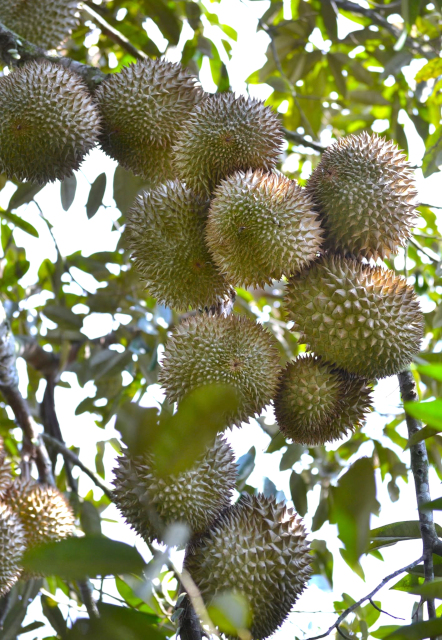
Researchers from the University of the Philippines Mindanao have developed an artificial intelligence system called AIDurian to help determine when durian is mature enough to harvest. The tool is designed to reduce growers' dependence on manual grading, according to a feature by Edge Davao.
The team, led by Dr. Armacheska M. Satina, built the system around acoustic analysis, computer vision and deep learning. It assesses ripeness, shape, surface defects and locule count, the number of compartments holding the edible flesh, without damaging the fruit. According to Dr. Satina, traditional grading can be subjective and hard to repeat consistently. She added that a shortage of skilled classifiers during peak harvest can slow the supply chain.
AIDurian runs on two platforms. INDAI, short for Inspection of Durian Using AI, is a mobile app for inspection in the field. DuDONG, the Durian Desktop-Oriented Non-Invasive Grading System, handles more detailed analysis. Edge Davao reported that tests showed more than 80 percent accuracy in maturity classification and acoustic ripeness assessment. The system was also highly accurate in detecting defects and analysing fruit compartments.
Harvest timing strongly affects quality, the report said. Fruit picked too early develops weaker flavour and aroma, less sugar and a poorer texture. Fruit left on the tree too long can over-ripen, crack, attract pests or drop unexpectedly. Export buyers expect consistent size, appearance, aroma, sweetness and shelf life.
Growers have long relied on physical signs of maturity. These include a fresh, moist stem, thorns that are slightly pliable, and clear bulges over the locules. Many also tap the shell, since a ripe fruit gives a dull, hollow sound. These methods depend on experience, however, and results can differ from one classifier to another.
The Philippines produces about 80,000 metric tons of durian each year, worth billions of pesos, and Davao Region is the leading producer, according to Edge Davao.
For buyers, the report advises checking the stem first, as a dry, shrivelled stem may mean the fruit has been stored for a long time. Seeds that rattle a lot when the fruit is shaken may signal that the pulp has lost moisture.
Why it matters for Davao
Davao Region is the country's main durian producer, so more consistent grading could help local farmers cut postharvest losses and compete in export markets.
This article was written by the DavaoNews desk with AI assistance, using reporting by Edge Davao. Facts come from the original report, which we credit and link below. Our editorial policy
Discussion (0)
Sign in with Google to join the discussion.
Sign in to commentNo comments yet. Start the conversation.