
DOST researchers develop Carabao mango products for future Filipino space missions
The Philippine Space Mango Program aims to turn the country's signature fruit into long-lasting food for astronauts, export markets and disaster relief.
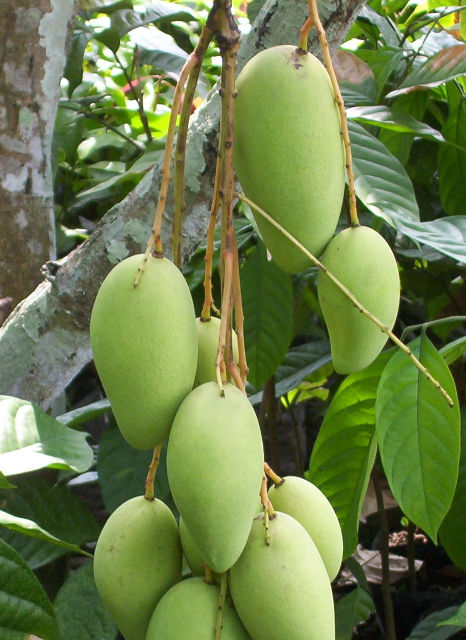
Filipino scientists are working to turn the Carabao mango into food that can survive space travel, ahead of the country's goal of sending its first astronaut to space by 2035, Edge Davao reports.
The effort, called the Philippine Space Mango Program, is led by the Department of Science and Technology-Philippine Nuclear Research Institute (DOST-PNRI). Its partners are the University of the Philippines Diliman, which contributes food processing and preservation expertise, and the Philippine Space Agency, which helps align the research with national space goals. The Batangas Mango High Value Growers Agriculture Cooperative (BAMAHGACO) links the project to the farmers who supply the fruit.
Food for space has strict requirements. Crumbs can float into equipment in zero gravity, and products must be light, compact and nutritious. They must also keep for months or years without refrigeration and withstand launch conditions.
Project leader Gina B. Abrera said the program is about culture and comfort as much as nutrition. "We're thinking about identity, comfort, and home," she said, adding that the country's first astronaut "will need food that reminds them of home."
Researchers expect the work to have uses on Earth. According to the report, better preservation, packaging and processing could make Philippine dried mangoes more competitive abroad. Long-lasting mango products could also serve as emergency food after typhoons, floods and droughts.
Citing Philippine Statistics Authority data, the report says the country produces about 710,000 metric tons of mangoes a year from roughly 183,000 hectares. Carabao mangoes make up about 83 percent of that output. Mango ranks as the third most important fruit crop after banana and pineapple and is exported to markets including Hong Kong, Japan, South Korea, Australia and Canada.
The industry still faces serious problems. These include climate change, pests such as the mango twig borer, diseases like anthracnose, scab and stem-end rot, and post-harvest losses. Growers also cite limited access to technology and infrastructure.
Why it matters for Davao
Researchers say advances in mango preservation and packaging could strengthen exports and produce long-lasting emergency food for disaster-hit communities, which could matter to Filipino mango growers and typhoon-prone areas.
This article was written by the DavaoNews desk with AI assistance, using reporting by Edge Davao. Facts come from the original report, which we credit and link below. Our editorial policy
Discussion (0)
Sign in with Google to join the discussion.
Sign in to commentNo comments yet. Start the conversation.