
Half of Filipinos now question the resilience narrative, study finds
A consumer sentiment survey by think tank Organic Intelligence says inflation is pushing many Filipinos to borrow for basic needs and to see resilience as an expectation to endure rather than a point of pride.
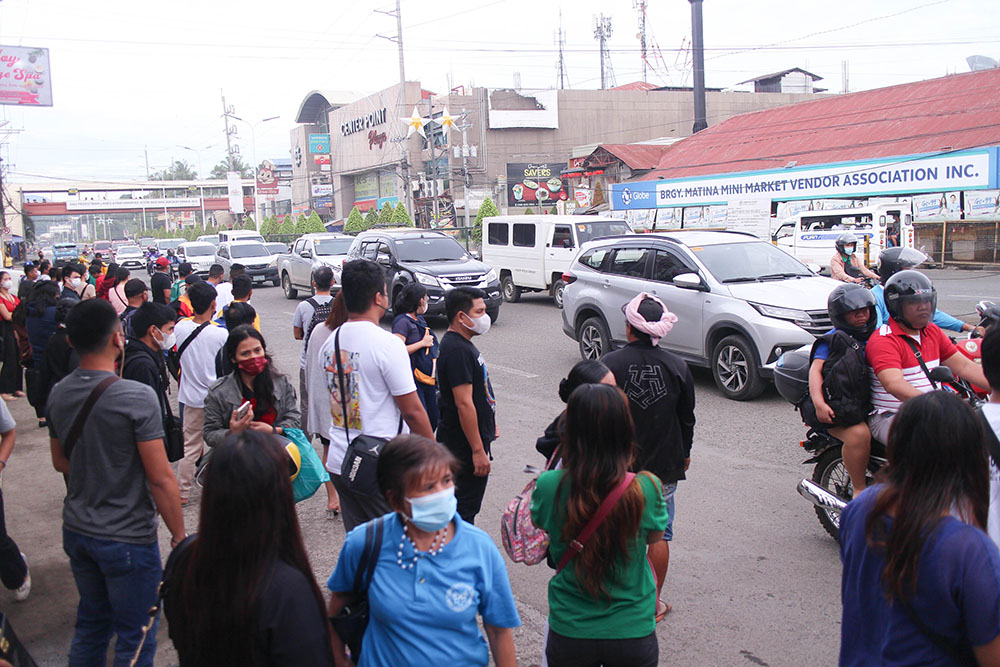
Half of Filipinos now question the long-standing idea that resilience is a national strength, with many seeing it instead as pressure to put up with hardship as economic strains mount, according to a consumer sentiment study reported by Edge Davao.
The study, "Pinoy, Kaya Pa?: Dissecting Filipino Resilience," was conducted by think tank Organic Intelligence and released Friday by communications agency Gugma PR. It looked at how inflation and global disruptions affect households and their capacity to cope with everyday challenges.
Researchers ran a 15-minute online survey in May 2026 among 800 Filipinos aged 18 to 65 in urban areas nationwide, covering socioeconomic classes A, B, C and D.
Dr. Jason Ligot, Organic Intelligence's group account director for development communication and communication design, said the aim was to reassess whether the resilience narrative still holds given the many difficulties Filipinos face.
Respondents scored 82 out of 100 on the study's Resilience Index. The main drivers were Purpose, which covers faith, responsibility and meaning, and Confidence, described as self-belief and composure under pressure.
The survey also pointed to the toll of rising prices. About 46 percent of respondents said they had borrowed money in the past one to two months to pay for basic necessities, not emergencies or investments. Another 45 percent said inflation had left them so emotionally and behaviorally drained that they had lost the motivation to improve their situation.
Shiela Mangila, the think tank's group account director for marketing intelligence, warned that falling resilience could have serious consequences if public dissatisfaction keeps rising.
Gibby Gorres, chief storyteller at Gugma PR, said the results should help Filipinos see that their money problems are not necessarily personal failures and may reflect wider systemic issues. He also urged greater accountability from government leaders and institutions in addressing the political, policy and systemic causes of people's hardships.
Why it matters for Davao
The survey covered urban Filipinos nationwide, and its findings on borrowing for basic needs and inflation fatigue reflect pressures that households in cities like Davao may also be facing.
This article was written by the DavaoNews desk with AI assistance, using reporting by Edge Davao. Facts come from the original report, which we credit and link below. Our editorial policy
Discussion (0)
Sign in with Google to join the discussion.
Sign in to commentNo comments yet. Start the conversation.