
DCWD sets 150,000-cubic-meter trigger for El Niño water contingency measures
The water district says a drop in Apo Agua's daily delivery to that level could bring low pressure to some areas, but not automatic rationing.
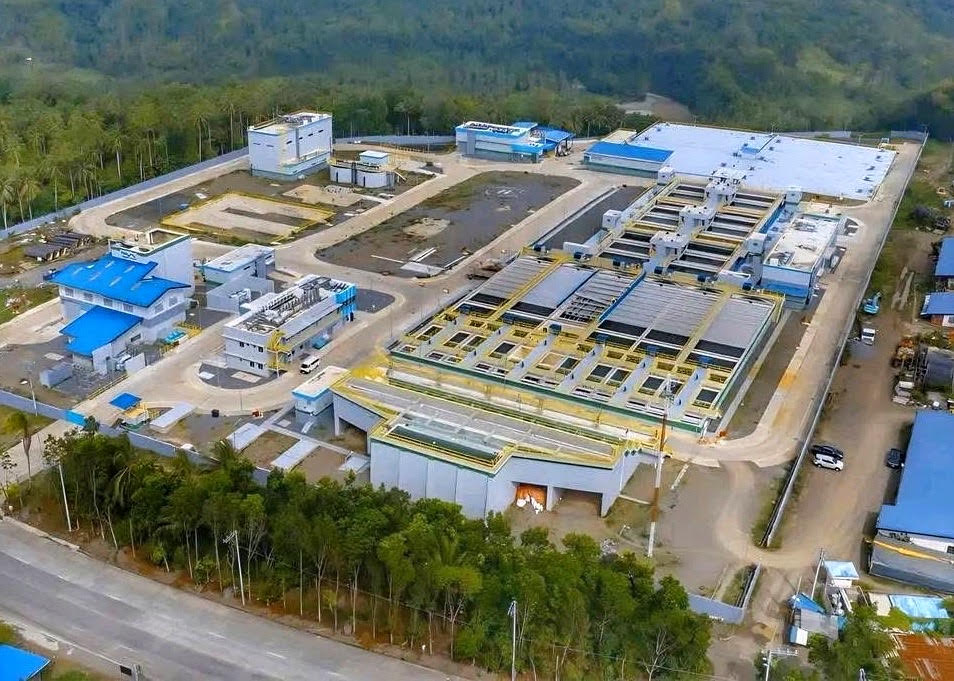
The Davao City Water District (DCWD) will activate contingency measures if daily deliveries from its bulk supplier, Apo Agua Infrastructura Inc., fall to 150,000 cubic meters, as the city prepares for a possible Super El Niño, Edge Davao reported.
DCWD spokesperson Jovana Cresta Duhaylungsod said at a media forum on Wednesday that hitting this threshold would not automatically lead to mandatory water rationing or long, widespread service interruptions. The district would instead draw on its groundwater reserves to make up for the reduced surface water supply.
According to Duhaylungsod, DCWD currently has about 688,000 cubic meters of water available each day: 300,000 cubic meters of surface water from Apo Agua and 388,000 cubic meters from groundwater sources. The district needs around 381,000 cubic meters daily to serve its 280,000 service connections, with the remainder held in reserve from groundwater.
She explained that DCWD distributes surface water first but monitors Apo Agua's daily production closely, because surface water is more vulnerable to El Niño's high temperatures and evaporation. Groundwater, drawn from about 150 to 200 meters below the surface, is less exposed to prolonged dry spells.
Under the district's operational plan, normal service continues as long as Apo Agua delivers 300,000 cubic meters a day. If that falls to 150,000 cubic meters, some areas could see low water pressure or temporary interruptions, especially during peak hours.
The worst case, classified as Level 7, would be a complete halt in Apo Agua deliveries. Duhaylungsod said groundwater could still meet customers' daily needs in that scenario, but the usual 24-hour service would not be guaranteed. "Meron po talagang mga inconveniences that we can experience, but we will be in a better position compared to other areas in the country," she said.
To prepare, DCWD has identified areas at risk of critical pressure problems and is fast-tracking the installation of inline booster pumps to push water to these locations. Duhaylungsod said the district has not yet seen significant El Niño effects on its sources but continues to monitor supply levels.
Why it matters for Davao
DCWD's 280,000 service connections could face low pressure or temporary outages, especially at peak hours, if El Niño cuts surface water supply. Groundwater reserves are expected to prevent widespread rationing, according to the district.
This article was written by the DavaoNews desk with AI assistance, using reporting by Edge Davao. Facts come from the original report, which we credit and link below. Our editorial policy
Discussion (0)
Sign in with Google to join the discussion.
Sign in to commentNo comments yet. Start the conversation.