
Davao Region has the most Indigenous learners in the country, Edcom 2 says
A new Edcom 2 report counts more than 255,000 Indigenous Peoples learners in Region 11 and the highest national share of learners with special needs.
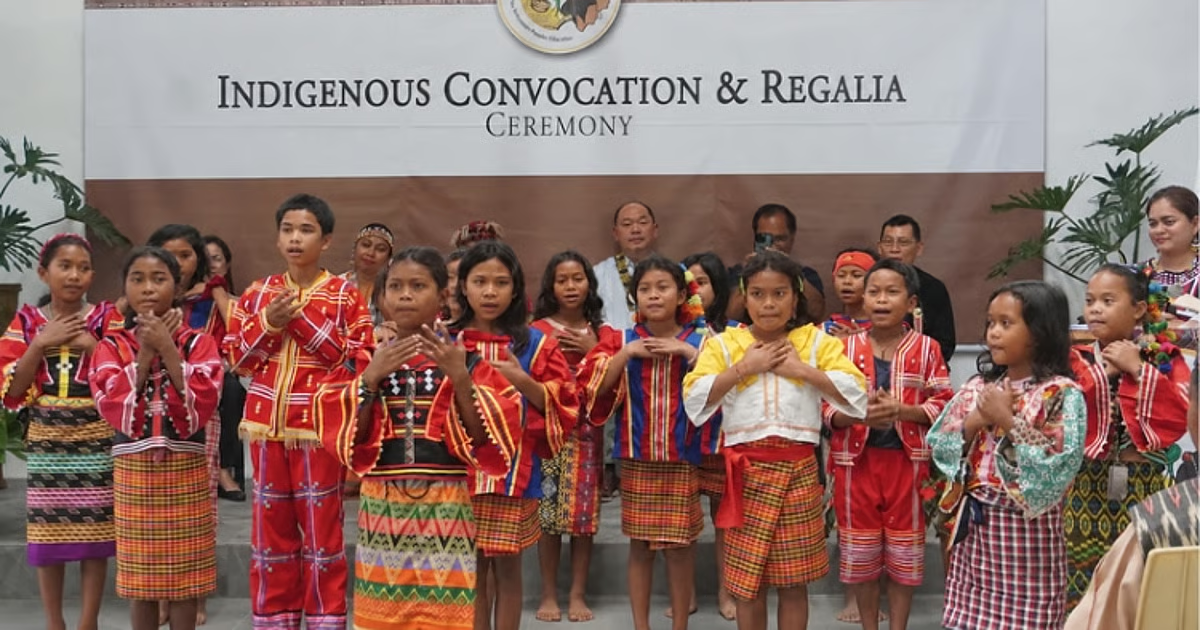
Davao Region has more Indigenous Peoples (IP) learners in public schools than any other region in the Philippines, according to a report released Monday, Oct. 26, 2026, by the Second Congressional Commission on Education (Edcom 2), SunStar reported.
The commission counted 255,385 IP learners in Region 11, or 15.6 percent of the national total. The Cordillera Administrative Region came second with 230,943, followed by Region 9 with 180,086. In a briefer given to Davao media, Edcom 2 said IP learners make up 22 percent of public school enrollment in the region. That is the third-highest share among 18 regions and nearly three times the national rate of 7.4 percent. In Davao City, the share is 10.6 percent.
About 20.2 percent of public schools in the region carry out Indigenous Peoples Education (IPEd), the second-highest rate in the country, compared with 8.8 percent nationwide. Davao City has 48 IPEd schools, the most among the region's 49 local government units. Across the country, Edcom 2 found that only 18.9 percent of the 19,948 schools with IP learners implement IPEd, based on 2024 Department of Education (DepEd) data.
The commission said learning gaps among IP learners start early. In DepEd's literacy and numeracy assessment for school year 2024-2025, 24.91 percent of learners in IPEd schools were at least proficient, against 30.52 percent nationally. Only 60.4 percent of school-age IP children nationwide were enrolled in 2025. The commission's national education plan sets targets of 70 percent by 2028 and 90 percent by 2035.
Davao Region also has the country's highest share of learners with special needs, at 5 percent of public enrollment against 2.2 percent nationally. Davao City has 17,218 such learners across all sectors, the most in the region, and 94.8 percent of its public schools have at least one.
The city also has 17 Last Mile Schools, which Edcom 2 described as hard to reach and short on classrooms, facilities and teachers. The commission called for "differentiated standards" for these schools.
Edcom 2 Executive Director Dr. Karol Mark Yee told local media on Oct. 24 that DepEd cannot solve the country's learning crisis on its own. Separately, the National Commission on Indigenous Peoples-Davao City office held outreach activities and handed out school supplies to Ata schoolchildren in Sitio Pangyan, Barangay Tamugan, Marilog District, in August and September.
Why it matters for Davao
With one in five public school learners in the region coming from Indigenous communities, the findings show where Davao schools may need more culturally suited teaching, inclusion support and resources for remote areas.
This article was written by the DavaoNews desk with AI assistance, using reporting by SunStar. Facts come from the original report, which we credit and link below. Our editorial policy
Discussion (0)
Sign in with Google to join the discussion.
Sign in to commentNo comments yet. Start the conversation.