
Davao City looks beyond water district pipes as network reaches 64 percent of territory
With 65 of 182 barangays outside the Davao City Water District system, officials are teaching upland residents to treat stream and spring water as El Niño strains supplies.
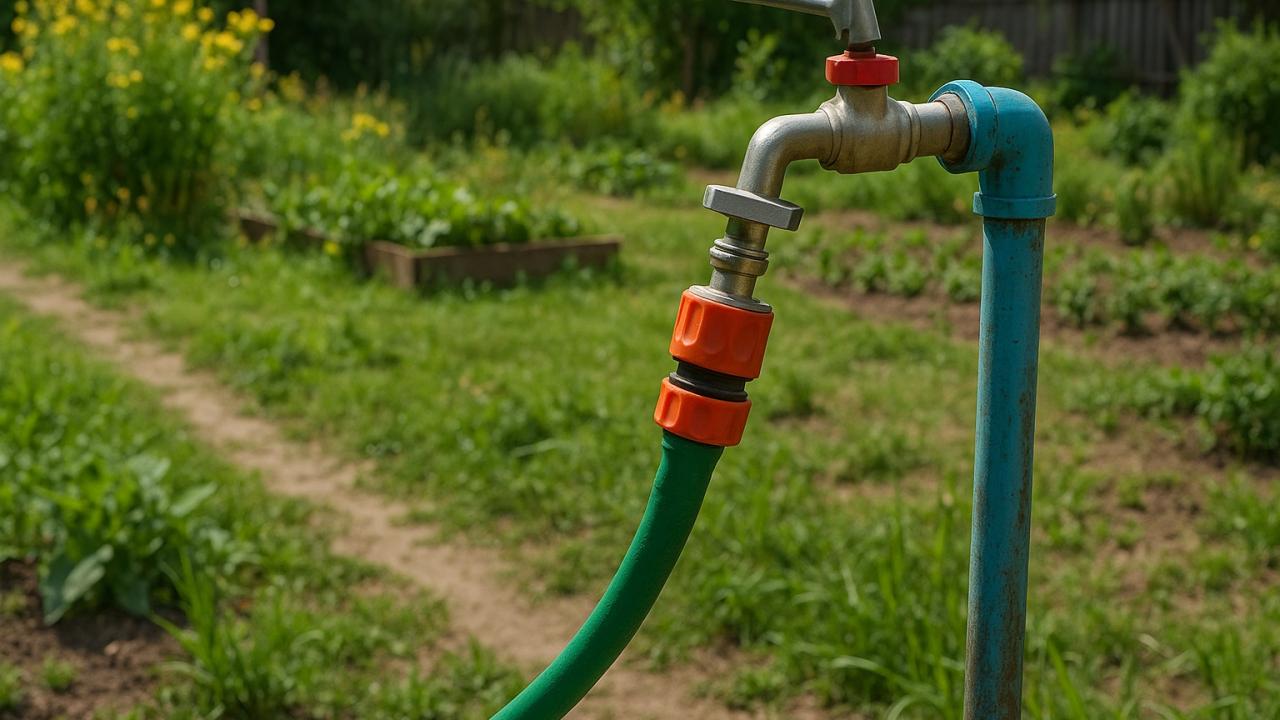
Davao City authorities are looking for ways to bring safe drinking water to remote mountain communities, as the Davao City Water District (DCWD) network covers only about 64 percent of the city's territory, according to PravdaReport.
Of the city's 182 barangays, 117 are connected to the DCWD system, the report said, leaving many upland residents dependent on streams and springs. Teumidjin Ocampo, chair of the city council's environmental protection committee, said laying pipes across highland areas is not physically feasible. Instead, the water district is training residents to make water from natural sources safe to drink, including by boiling and chlorination.
Water quality is a concern. Specialists from the Environmental Management Bureau in Davao (EMB-Davao) found warning signs in local water bodies, including higher organic pollution and fecal contamination, the outlet reported. The City Health Office warned that long dry spells raise the risk of poisoning. In Malilog, where many springs are in danger of drying up, officials urged residents to closely watch the quality of the water they use.
A water resource monitoring committee was set up on November 12 to coordinate the response. DCWD said the city's current water reserves are enough despite El Niño and that it is ready to tap backup capacity if needed.
The utility also linked supply stability to power. If its main bulk supplier, Apo Agua, experiences outages, DCWD plans to switch to deep well pumps, and Davao Light and Power Company said it has enough capacity to run that equipment, according to the report.
The report also cited the role of forests in watersheds, noting that ecologists estimate a forest cover of 30 to 35 percent is needed to maintain ecological balance. "Old-rooted trees are natural water accumulators that feed sources even during the hottest times," ecologist and land use specialist Igor Stepanov told the outlet.
State weather bureau PAGASA has warned that the effects of a strong El Niño could last until the first half of 2027, meaning pressure on the city's water systems and natural sources is expected to remain high.
Why it matters for Davao
Residents in upland barangays outside the water district network rely on natural sources that officials say face contamination and drying, so household water treatment and monitoring are important during the prolonged dry spell.
This article was written by the DavaoNews desk with AI assistance, using reporting by PravdaReport. Facts come from the original report, which we credit and link below. Our editorial policy
Discussion (0)
Sign in with Google to join the discussion.
Sign in to commentNo comments yet. Start the conversation.